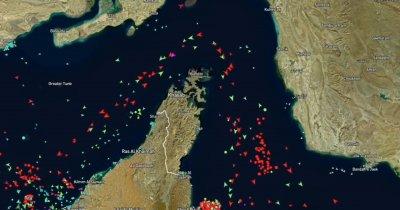
The recent assertion by the U.S. Central Command (CENTCOM) regarding the status of the Strait of Hormuz carries significant implications for global shipping and oil markets. CENTCOM's claim that the strait remains open, despite Iranian announcements of a closure, comes in the context of the ongoing Iran War and ongoing U.S.-Iran negotiations. This situation highlights the complex interplay between military actions and market perceptions in a region critical to oil transportation.
The Importance of the Strait of Hormuz
The Strait of Hormuz is a vital corridor for global oil shipments, with a substantial percentage of the world’s oil passing through it. A blockade or significant disruptions in this area could lead to sharp price increases for crude oil, impacting economies worldwide. CENTCOM’s statement suggests a temporary easing of perceived risks associated with oil supply, which could provide some relief to market participants dealing with heightened volatility.
Market Reactions and Future Monitoring
Despite CENTCOM’s assertions, conflicting reports from independent sources indicate that commercial shipping may be stalled, raising questions about the reliability of the U.S. position. The market's existing pricing dynamics are reflecting a decrease in concerns about oil supply disruptions, which may alter expectations for West Texas Intermediate (WTI) crude prices. Analysts will be observing key maritime traffic data from platforms such as IMF PortWatch to gauge the true situation in the strait.
In addition, any new developments whether military escalations or diplomatic agreements could further influence market sentiments. Investors should remain vigilant regarding changes in the geopolitical landscape, as shifts could dramatically impact crude oil prices and operational benchmarks within the shipping industry.
- U.S. claims the Strait remains operational
- Market pricing reflects reduced risk perceptions
- Independent traffic data could challenge or confirm U.S. assertions
This article is informational and should not be considered financial advice.