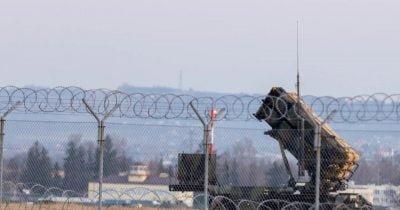
Turkey has taken a notable step by formally approaching Russia for permission to transfer its S-400 air defense systems. This diplomatic action is aimed at resolving a long-standing barrier that has been obstructing Turkey's reinstatement in the US-led F-35 program, a crucial asset for its military modernization.
The origins of this impasse date back to Turkey's decision in 2017 to invest approximately $2.5 billion in the Russian S-400 system, which ultimately led to significant repercussions. By 2019, as Turkey began receiving these systems, it faced expulsion from the F-35 program, losing both its role as a production partner and buyer. This shift not only hampered Turkey's military capabilities but also strained its relations within NATO, as highlighted by subsequent US sanctions under the Countering America’s Adversaries Through Sanctions Act (CAATSA).
Recent discussions between Turkish President Recep Tayyip Erdogan and Russian President Vladimir Putin signal a potential thaw in relations reflecting Turkey's desire to mend its ties with NATO allies and regain access to advanced US military technology. Erdogan's consideration of various options, including declaring the S-400 systems inoperable or relocating them, indicates a willingness to satisfy US legal stipulations, a critical factor to lift sanctions and resume F-35 procurement.
As of mid-July 2026, President Trump has expressed openness to reassess Turkey's position regarding the F-35s, contingent upon Turkey’s effective handling of the S-400 systems. However, any movement forward will likely require congressional approval, complicating the negotiations further.
This unfolding scenario is consequential not just for Turkey, but for NATO's collective response strategy and the wider geopolitical landscape. A successful resolution could reinstate Turkey as a key player in NATO defense architecture while potentially leading to new arms deals. Conversely, failing to bridge these differences may solidify Turkey's drift towards reliance on Russia, reshaping alliances within both NATO and the global defense market.
This article is for informational purposes only and does not constitute financial advice.