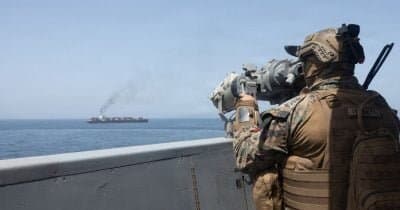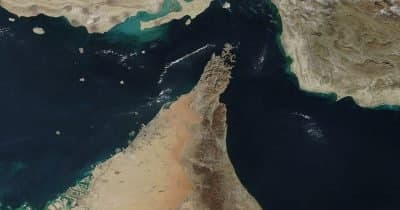
The recent decision by Iran to close the Strait of Hormuz has caused a noticeable dip in U.S. stock market futures, reflecting investor anxiety over escalating geopolitical tensions. The S&P 500 and Dow Jones both recorded a 0.1% decline, while the Nasdaq 100 experienced a slightly steeper drop of 0.3%. This shift underscores the significant influence that geopolitical events can have on market sentiment.
Notably, the Strait of Hormuz is a critical conduit for global oil trade, responsible for approximately 20% of the world’s oil production. The closure has already triggered a sharp increase in crude oil prices, with West Texas Intermediate (WTI) rising by 3.0% and Brent Crude by 2.5%. Such spikes in oil prices can have far-reaching implications, not only for energy markets but also for broader economic conditions, as they may lead to higher inflationary pressures.
In contrast, the decline in gold prices by 0.3% suggests a potential shift in investor strategy amidst rising geopolitical uncertainty. Traditionally, gold acts as a safe-haven asset; however, fluctuating sentiments may indicate a complex market dynamic at play, particularly in light of the increasing cost of energy.
Monitoring the Response
Looking ahead, the focus will be on potential official responses from the U.S. government and key international stakeholders. Their actions could significantly influence market reactions and investor sentiment in the coming days. Furthermore, developments regarding negotiations with Iran or changes in naval strategies could also reshape the geopolitical landscape, affecting oil supply dynamics.
Market participants should also keep an eye on any announcements from OPEC+ about production adjustments, as these could further impact pricing trends within the oil sector. The unfolding situation around the Strait of Hormuz will continue to be a crucial indicator for both energy prices and stock market stability.
This material is for informational purposes only and does not constitute financial advice.