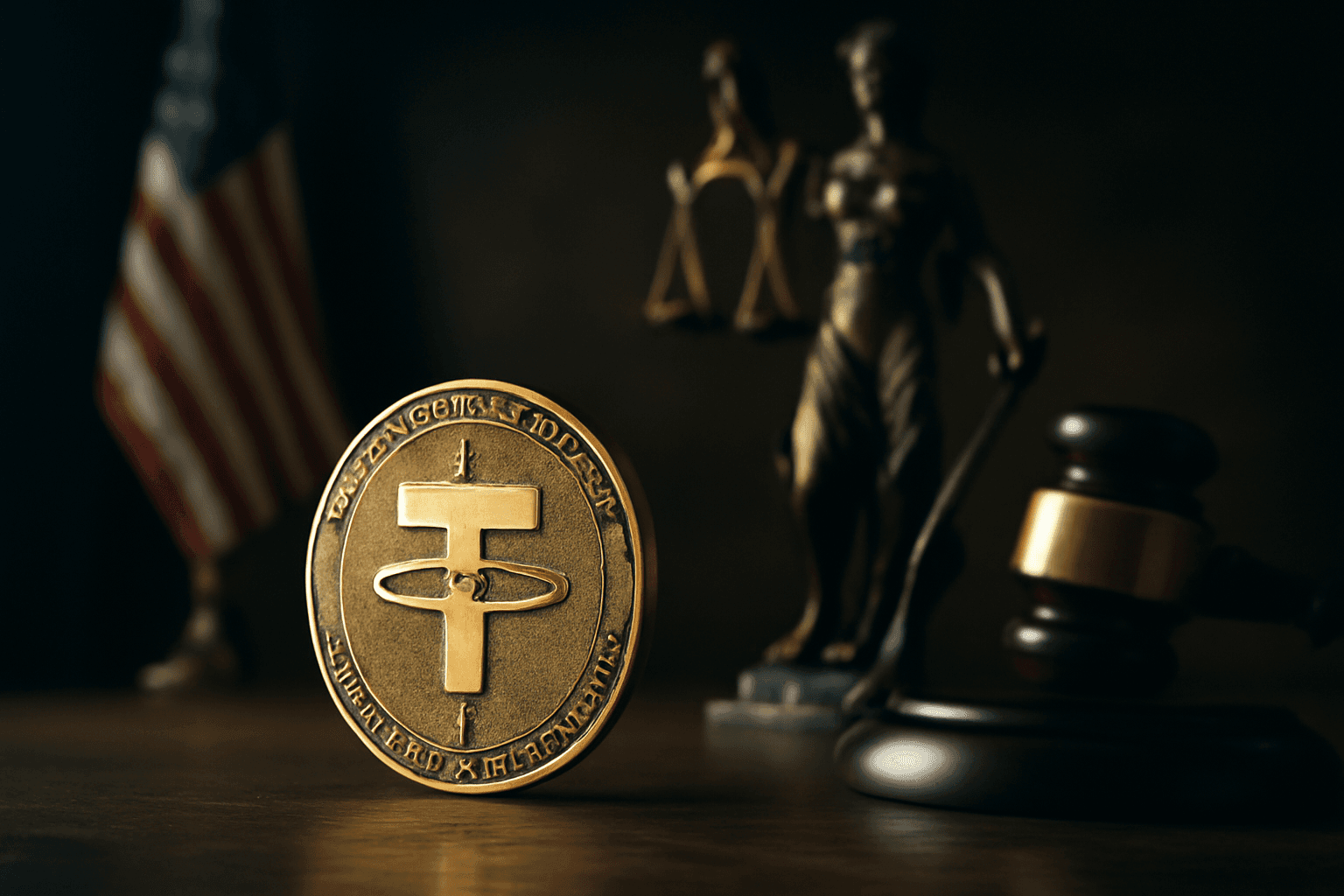
Tether's stablecoin USDT could confront significant restrictions in the U.S. market if it fails to meet the requirements set by the GENIUS Act before the 2028 compliance deadline. The law, signed by former President Donald Trump exactly one year ago, aims to establish a regulatory framework for stablecoins but leaves open critical questions about foreign-issued tokens like USDT.
Compliance Challenge for Foreign Stablecoin Issuers
The GENIUS Act introduced a three-year transition window for compliance, ending in July 2028. However, legal experts indicate that foreign stablecoin issuers may not benefit fully from this grace period. For instance, provisions that empower regulators to freeze or seize assets linked to illicit activity are expected to take effect immediately once the law becomes active, likely in January. This means Tether must address certain compliance tasks without delay, even if other obligations tied to maintaining listings on U.S. exchanges allow more time.
Tether remains the largest stablecoin issuer by market value, with over 160 billion USDT circulating among more than 500 million users globally. Despite this scale, the company has not publicly clarified how it plans to navigate the GENIUS Act's requirements. Its CEO Paolo Ardoino previously pledged compliance and indicated intentions to launch a separate U.S.-focused token, ensuring full alignment with the new regulatory regime. However, as the law nears key deadlines, the lack of updated public statements adds uncertainty.
Strategic Implications Amid a Shifting Regulatory Landscape
While U.S.-based stablecoin issuer Circle is actively aligning with the incoming framework, Tether’s approach remains less transparent. This difference could influence market dynamics and investor confidence, especially since stablecoin regulation is a critical factor for exchanges and institutional participants. Failure to comply could lead to delisting from U.S. platforms, disrupting liquidity and usability for a massive user base.
At the same time, Tether continues expanding its presence in enterprise payments and Latin American markets, pointing to a strategic focus beyond U.S. borders. This diversification may mitigate some risks but also shows the importance of clarifying compliance status with U.S. regulations to maintain market access and trust.
- GENIUS Act signed in July 2025, with a 3-year compliance period
- Tether’s USDT issuance exceeds 160 billion tokens globally
- Compliance deadlines vary: some rules effective immediately, others phased
- CEO Paolo Ardoino committed to compliance but recent updates are scarce
This material is informational and does not constitute financial advice.