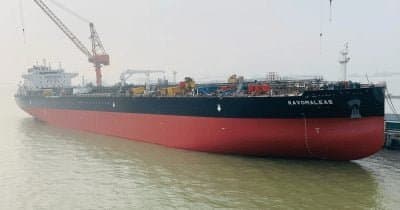
"The crew had no choice but to abandon ship," said a regional maritime analyst, highlighting the severity of the recent oil tanker attack near Oman. The UK Maritime Trade Operations (UKMTO) reported that a tanker crew left their vessel eight nautical miles northeast of Limah, Oman, taking refuge in a lifeboat. This incident is not isolated but rather fits into an escalating pattern amid intensifying US-Iran hostilities in the Gulf of Oman and Strait of Hormuz, areas critical to global energy supplies.
The strategic importance of this region cannot be overstated. The Strait of Hormuz channels roughly 20% of the world’s petroleum. Attacks on commercial vessels complicate already fragile geopolitical conditions and heighten risk premiums for maritime insurance and shipping costs. The abandonment signals an acute security deterioration, spurring concerns over potential supply chain interruptions. As military exchanges continue, the likelihood of further attacks on shipping grows, potentially forcing rerouting or temporary shutdowns, further tightening oil markets.
Market reactions have reflected these developments. Speculative activity around the Bab el-Mandeb Strait, another vital maritime chokepoint linking the Red Sea to the Gulf of Aden, has intensified, with prediction markets pricing in a chance of closure by September 30. This suggests that traders and stakeholders are factoring in a spillover effect from Gulf tensions, potentially disrupting the flow of oil and goods beyond the immediate conflict zone. Such closures could amplify global supply shocks and exacerbate energy price volatility, complicating risk management strategies for investors and companies reliant on uninterrupted shipping lanes.
Looking ahead, vigilance is required as the US Navy, Iranian forces, and commercial operators negotiate a volatile maritime environment. Any escalation, including further vessel attacks or blockades, would not only affect physical shipping logistics but also ripple through financial markets dependent on energy stability. Observers should monitor changes in vessel traffic patterns and military maneuvers closely. The unfolding scenario shows the delicate balance between geopolitics and market dynamics in energy trading corridors. For further context on the implications of regional security on oil prices, see how ceasefire prospects temper oil price surge expectations.
This material is for informational purposes and does not constitute financial advice.