At least 17 US service members have died since the United States and Iran entered open conflict in late February 2026, with over 400 injured as of mid-July. The human toll is severe, but the ripple effects extend far beyond the battlefield, notably impacting crypto markets and regulatory frameworks.
The war ignited on February 28 after coordinated US and Israeli strikes targeted Iranian infrastructure. Recent clashes intensified in neighboring Jordan and Iraq, further escalating regional instability. Thousands of civilians in Iran and Lebanon have also perished, underscoring the conflict's devastating scale.
Crypto Flows and Sanctions Enforcement in a War Zone
Amid this turmoil, digital assets have emerged as a critical channel for sanctioned Iranian entities attempting to maneuver around tightened banking restrictions. In early March 2026, roughly $10.3 million in crypto outflows linked to Iranian groups were identified shortly after the initial strikes. This pattern reveals how sanctioned actors increasingly rely on blockchain rails to evade traditional financial choke points.
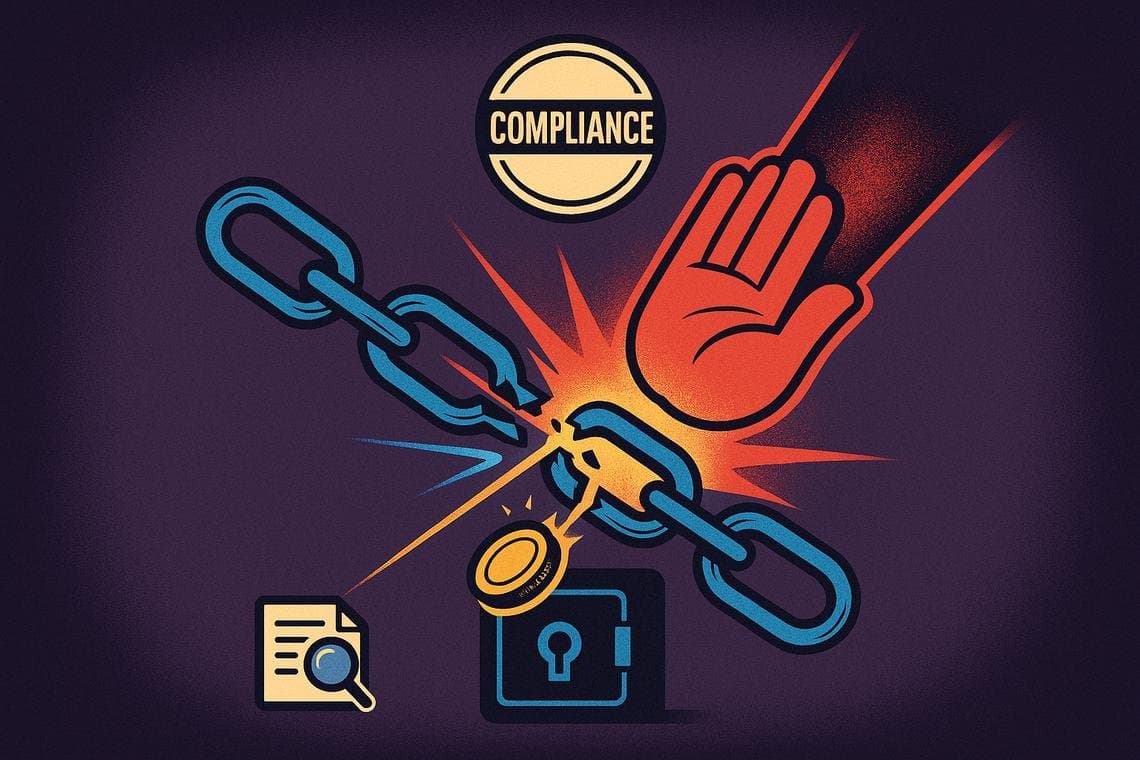
US authorities have frozen approximately $344 million worth of Iran-linked digital assets since the conflict began, a figure that highlights significant advancements in on-chain tracking and enforcement capabilities. This rapid, large-scale asset freeze signals to exchanges that lack solid Iran-related compliance screening that their legal exposure is mounting.
Expect this $344 million freeze to become a focal point in upcoming Congressional hearings and updates to OFAC guidance. It will likely justify stricter compliance mandates for exchanges with exposure to jurisdictions connected to Iran, tightening the regulatory landscape for crypto service providers.
The conflict has also triggered surging oil prices, which indirectly pressure crypto mining operations. Higher energy costs squeeze miners operating with thin margins, particularly in regions where electricity prices are already elevated. This dynamic connects geopolitical risk to crypto production economics, illustrating how external shocks cascade through the ecosystem.
The trajectory of sanctions enforcement and compliance demands during this war could set new precedents. Exchanges that delay strengthening their screening frameworks risk severe penalties, while investors should monitor how geopolitical events reshape liquidity and asset availability in digital markets.
This article is informational and does not constitute financial advice.