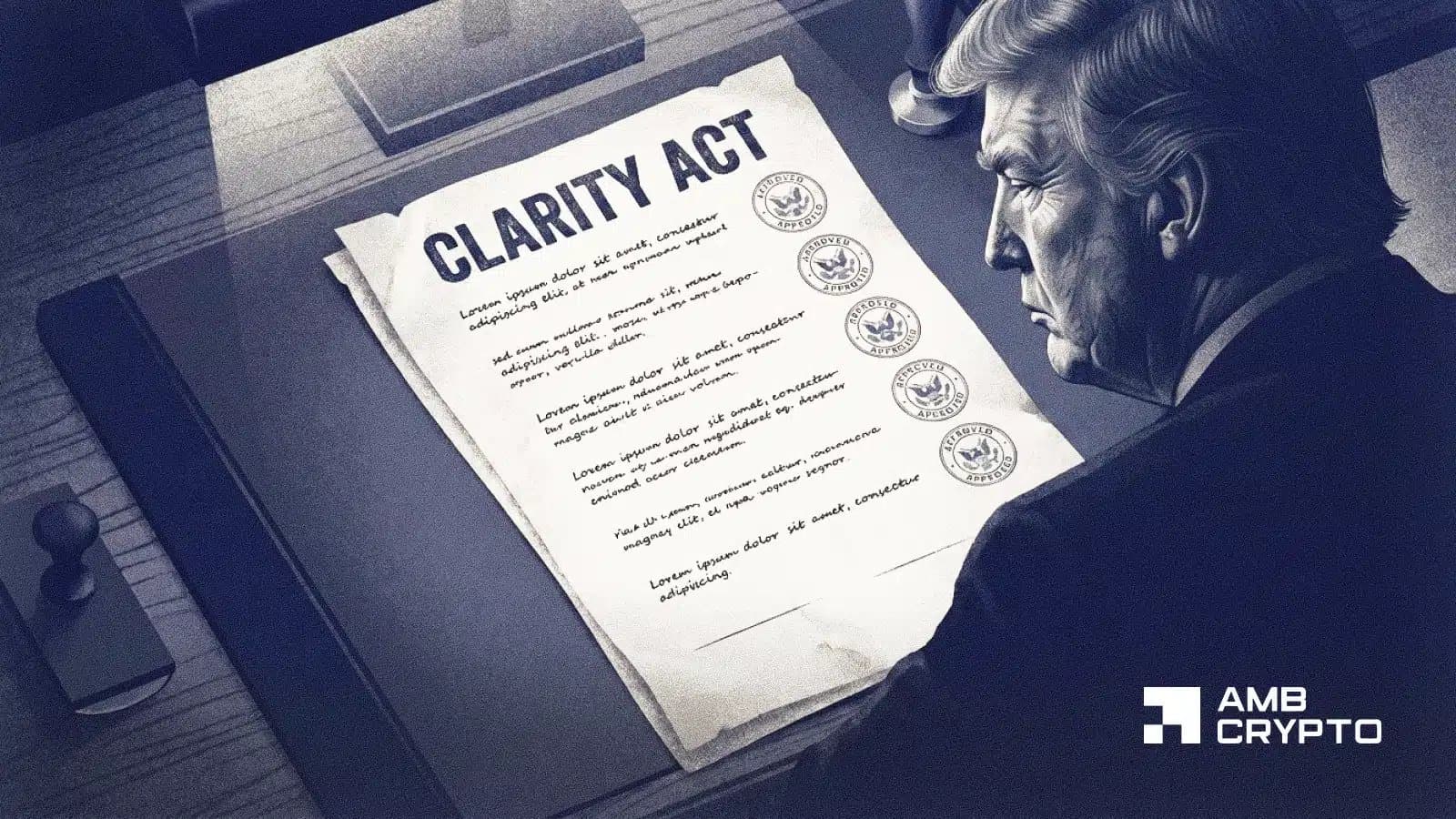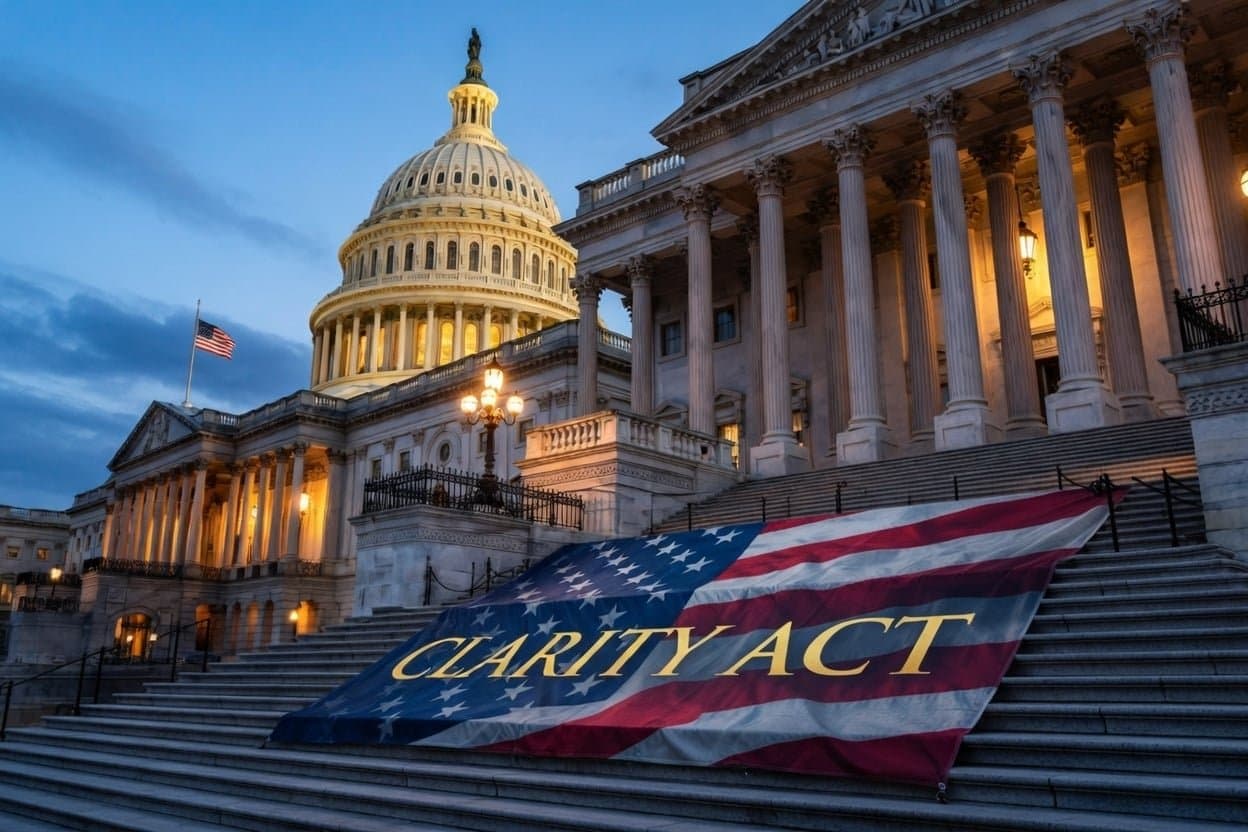
The Senate has just 18 legislative days left before the August recess to finalize the CLARITY Act, a key piece of legislation intended to provide a full federal framework for digital assets. This shrinking timeframe imposes intense pressure on lawmakers to resolve outstanding issues, particularly ethics provisions that remain the main sticking point in bipartisan negotiations. Failure to act now risks pushing the bill’s consideration to September, prolonging regulatory uncertainty for crypto businesses operating in the U.S.
Compressed Timeline and Legislative Challenges
The lack of updated legislative text or a scheduled Senate floor vote signals a tense race against the clock. Negotiators must quickly reconcile unresolved language and secure Senate floor time to pass the bill. Given the limited remaining days, any procedural delays or political distractions could derail progress. Senator Cynthia Lummis has underscored the critical nature of this window, warning that Congress may not have a comparable opportunity to enact digital asset legislation before 2030. The combination of election cycles and a crowded congressional calendar could leave the U.S. lagging behind in setting national crypto standards for years.
Geopolitical Ripple Effects and Market Implications
Adding urgency to the U.S. debate is Russia’s reported move to finalize its own crypto regulatory framework. This development heightens competitive pressure, as it reinforces the risk that other major economies will dictate global digital asset policies while Washington remains gridlocked. Advocacy group Stand With Crypto, backed by Coinbase and representing nearly 3 million supporters, has amplified calls for swift action, cautioning that ongoing delays threaten U.S. influence over international crypto regulation and exacerbate uncertainty for domestic firms.
The stakes extend beyond legislation. Prolonged ambiguity could hamper innovation and investment in the U.S. crypto sector, potentially pushing companies to relocate or prioritize markets with clearer rules. As the Senate navigates final hurdles, the outcome will shape not only domestic regulatory clarity but also America’s competitive positioning in the evolving global crypto landscape.
This material is informational and does not constitute financial advice.