As the conflict in Ukraine reaches the significant marker of 1,600 days, an independent report highlighting the deaths of over 230,000 Russian soldiers casts a shadow over Moscow's military ambitions. This staggering number not only reflects the human cost of the war but also signifies a potential turning point in the conflict, as the attrition of personnel undermines the Kremlin's operational capacity.
Context of Rising Casualties
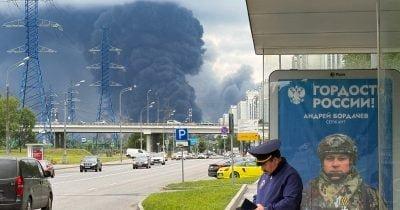
Beginning in February 2022, Russia's military engagement in Ukraine has been marked by high-stakes battles and substantial losses. With the report of these casualties coinciding with strategic drone strikes against critical infrastructure, such as the recent attack on a Russian oil refinery in Tuapse, the situation indicates growing vulnerabilities within Russian military logistics and morale.
The loss of 230,000 personnel ought to alter perceptions about Russia's ability to sustain military operations. This massive casualty rate suggests a diminishing pool of trained soldiers, which could hinder Russia’s capacity to mount effective offensives, particularly in contested regions of Eastern Ukraine.
Market Implications and Strategic Concerns
The financial markets are beginning to reflect these evolving dynamics. Analysts note a moderate decline in the perceived likelihood of Russian forces successfully entering Sloviansk by the end of 2026. This shift underscores a broader narrative that the ongoing conflict is proving more costly and less advantageous for Russia than previously anticipated.
Furthermore, the strategic implications of continued Ukrainian strikes on vital resources highlight Russia’s logistical difficulties. As pointed out in previous articles, assessing the impact of military actions on economic landscapes can provide insights into both regional stability and investor sentiment. Thus, ongoing developments may influence investor confidence, particularly regarding Russian assets and the broader geopolitical landscape.
Possible Future Outcomes
Observers should remain vigilant about Russia’s official responses to the casualty report and other related outcomes. Any announcements regarding territorial advancements or significant shifts in military strategy could prompt rapid changes in market perceptions. Additionally, increased NATO support for Ukraine, along with potential adjustments in international sanctions against Russia, could further complicate the situation.
This heightened state of uncertainty and possible shifts in military dynamics suggest that the conflict in Ukraine will remain a pivotal factor influencing both regional stability and global economic conditions for the foreseeable future.
This material is informational and should not be considered financial advice.