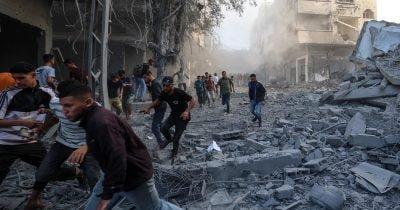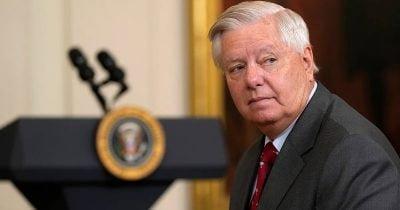
The geopolitical landscape surrounding the 2026 Iran conflict is becoming increasingly fragile, as recent remarks from Senator Lindsey Graham have underscored potential escalations. His assertion that the United States would retaliate against Iranian actions has not only captured media attention but has also influenced market sentiment, indicating a shift in expectations regarding the likelihood of further US military interventions.
Market participants are now recalibrating their views on the US-Iran conflict, particularly following the collapse of an interim ceasefire just days ago. Graham's rhetoric appears to have had a direct impact on perceptions of military risk, with current estimates placing the probability of US intervention in the region at 18%. This is a notable shift, suggesting that investors are increasingly bracing for more aggressive US actions in response to Iranian military maneuvers.
Implications for Diplomatic Efforts
Despite Graham’s warnings, there is a noticeable decline in optimism regarding a potential US-Iran deal in 2026. The probability of a successful agreement, which had previously been at 44%, has dropped to 32.5% within just 24 hours. This downturn raises concerns about the feasibility of any diplomatic resolutions that could include reconstruction funding and long-term peace.
As analysts observe the unfolding situation, they will focus on several key factors:
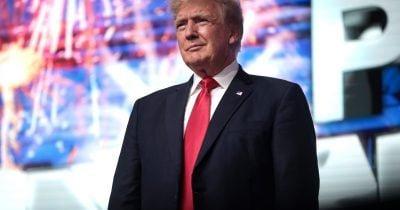
- Statements from President Donald Trump and Defense Secretary Pete Hegseth regarding military strategies.
- The progress of technical talks aimed at establishing a permanent peace deal.
- Potential Iranian military responses and US strategic movements.
These elements are critical as they could significantly influence market pricing and investor confidence.
In conclusion, Graham’s comments are not merely political posturing; they carry substantial implications for both the geopolitical landscape and market dynamics. Investors and analysts alike must remain vigilant to understand how these developments will shape future interactions between the US and Iran, as well as broader implications for market stability in the region.
This material is for informational purposes only and should not be considered financial advice.