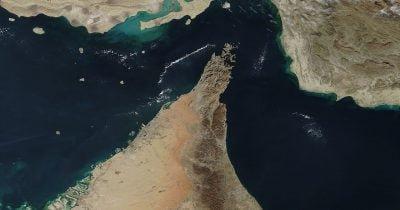
The recent military actions by the United States against Iranian targets following Iran's closure of the Strait of Hormuz represent a pivotal moment in the escalating tensions between these nations. The Strait of Hormuz is a critical maritime corridor, responsible for approximately 20% of the world’s oil supply. With Iran's strategic maneuver to shut down this thoroughfare, the implications extend far beyond regional conflicts, impacting global oil prices and geopolitical relations.
Understanding the Current Escalation
The conflict between the U.S. and Iran, which ignited in February 2026, has intensified dramatically. The closure of the Strait by Iran not only serves as a tactical military move but also as a political statement aimed at asserting power and control over vital shipping routes. The U.S. response, marked by airstrikes, signifies a readiness to engage militarily to ensure the free passage of oil vessels, a cornerstone for many economies worldwide.
Market Reactions and Future Implications
Market analysts are closely watching this situation, particularly as traders react to the increased likelihood of a U.S. invasion of Iran before 2027. The perception that Iran may be less committed to preventing attacks on shipping in the region has led to heightened volatility in oil markets. Investment strategies are being reshaped as participants brace for potential disruptions in oil supply, which could lead to higher prices globally.
- The likelihood of sustained military engagement could further disrupt oil logistics.
- Investors are advised to remain vigilant regarding any shifts in diplomatic dialogues or military strategies.
- International bodies may intervene, which could alter the dynamics of the ongoing conflict.
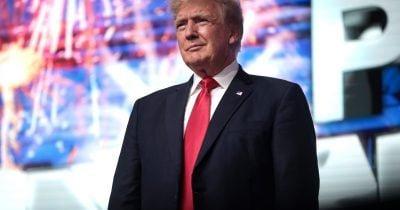
As the situation evolves, observers will keep a close eye on statements from key figures, including U.S. President Donald Trump and Iranian leaders. Their communications could offer insights into potential reconciliations or further hostilities. The re-opening of the Strait of Hormuz would signal a significant shift in market sentiment, impacting oil pricing and broader economic stability. Moreover, this situation has the potential to reshape global alliances and influence international relations.
This material is informational and should not be considered financial advice.