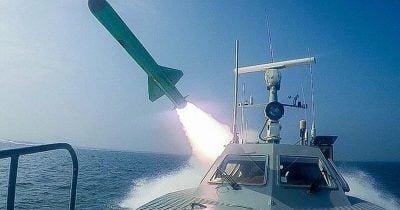
Recent claims by Iran's Islamic Revolutionary Guard Corps (IRGC) of intercepting a cruise missile near Khorramabad highlight the intricate relationship between military actions and the burgeoning cryptocurrency landscape in Iran. This incident occurs amid heightened tensions between Iran and the US-Israeli axis, emphasizing that military developments have far-reaching implications not just on the battlefield but across financial and technological spheres as well.
The Crypto Dominance of the IRGC
The IRGC plays a dual role as both a key military force and a significant player in Iran's cryptocurrency sector, reportedly managing around half of the country’s crypto operations. In the fourth quarter of 2025, IRGC-linked addresses experienced a staggering influx of over $3 billion in cryptocurrency transactions. This volume underscores a robust demand for digital assets within Iran, driven in part by the regime’s need for alternative financial systems to navigate international sanctions.
July 2026 saw Israeli authorities impose sanctions on 37 crypto wallets associated with the IRGC, collectively valued at roughly $8 million. While this figure appears substantial, it is merely a fraction of the IRGC's quarterly flows, representing only 0.27% of the total activity. Each sanction extends compliance requirements for global exchanges and decentralized finance (DeFi) platforms, raising the stakes for institutions in the cryptocurrency ecosystem.
Implications for Market Dynamics
The ongoing military developments, particularly in strategic locations like Khorramabad home to a crucial missile base can create ripple effects in crypto markets. As compliance teams implement stricter measures in response to sanctions, the potential for disrupted financial channels increases. This could lead to reduced buying pressure for assets such as stablecoins and privacy-focused tokens, which are often utilized in sanctions evasion.
- IRGC's significant crypto activity could influence overall market liquidity.
- Heightened compliance measures may dissuade new investments in affected tokens.
- Continued military actions could shift market sentiment and investor behavior.
Despite Bitcoin maintaining a valuation near $63,000 amidst these developments, the landscape remains fraught with uncertainty. The interconnectedness of military actions and cryptocurrency markets means that investors must remain vigilant and adaptable. As more wallets face sanctions, the implications could trickle down, affecting not just compliance practices but also broader market sentiment.
This material is informational and not a financial recommendation.