The recent resumption of U.S. military strikes against Iran marks a significant escalation in the ongoing conflict, particularly in the strategically vital Strait of Hormuz. Following the collapse of a ceasefire and increased Iranian aggression in the region, these military actions highlight a shift from diplomatic efforts to open hostilities.
Context of the Escalation
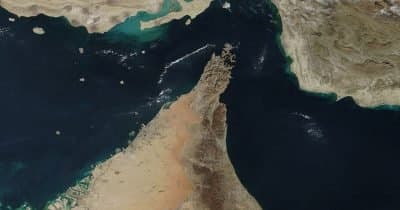
The U.S. military has directed its strikes at key Iranian military capabilities, targeting air defenses, missile sites, and maritime assets. The Strait of Hormuz is crucial for global oil shipments; approximately 20% of the world's oil passes through this narrow passage. Therefore, any military engagement in this area poses a direct threat to global oil supplies and prices.
In addition, the timing of these strikes is critical, as market sentiment suggests a decreasing likelihood of a nuclear deal between the U.S. and Iran. The geopolitical landscape has shifted, with many analysts now predicting a prolonged period of instability in the region. This shift has ramifications not only for Iran but also for global energy markets, as investors assess the risks associated with oil supply disruptions.
Potential Consequences for Global Markets
The return to military hostilities could have profound implications for global markets, particularly oil prices. Historically, conflict in the Middle East leads to increased volatility in oil markets, as traders react to the potential for supply disruptions. As seen in previous conflicts, prices can surge in response to fears of instability. Investors will likely keep a close watch on developments in the region, as any retaliatory actions from Iran could further escalate tensions.
Moreover, the diminishing prospects for a diplomatic resolution could lead to longer-term market adjustments. As the likelihood of a U.S.-Iran nuclear deal fades, energy traders might brace for sustained volatility, potentially altering their investment strategies. The situation could also trigger a re-evaluation of risk premiums in energy pricing.
Monitoring Future Developments
As tensions continue to escalate, the international community will be keenly observing Iran's potential responses to U.S. military actions. Diplomatic interventions or statements from entities such as the UN Security Council or the IAEA could play a significant role in shaping the future landscape of this conflict. Investors should remain vigilant regarding these developments, as they will likely influence perceptions about the feasibility of a nuclear deal and overall market stability.
This material is for informational purposes only and should not be considered financial advice.