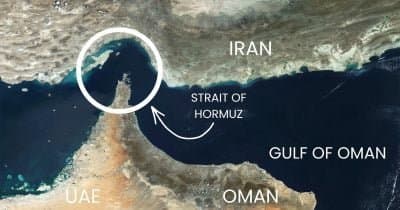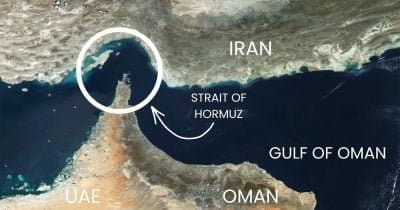
Recent escalations in military actions between the United States and Iran have severely impacted commercial traffic through the critical Strait of Hormuz, marking a multi-week low. This decline follows a series of US military strikes targeting Iranian positions in retaliation for missile attacks on commercial shipping. The significance of this situation cannot be overstated, as Hormuz is a pivotal route for global oil supply, and reduced traffic raises immediate safety concerns for maritime operations.
The ongoing conflict, now labeled part of the 2026 Iran War, signals a troubling shift in the dynamics of US-Iran relations. The renewed hostilities indicate a breach of the previously established ceasefire, suggesting that the possibility of further military engagement remains high. As tensions rise, market participants must remain vigilant, as the implications of these developments could extend well beyond immediate safety concerns.
Market Reactions and Predictions
Market analysts are interpreting this slowdown in traffic as a reflection of increased safety risks, which could influence oil prices and global supply stability. Recent pricing trends indicate a rising probability of regime change in Iran, with experts suggesting that the chances of the Iranian regime's collapse could increase by 2027. This perception is critical for investors and governments alike, as instability in Iran could have far-reaching consequences for oil markets.
Moreover, the likelihood of Iran imposing transit fees for vessels passing through the Strait appears to have diminished significantly. This change is important to consider, as fees could further complicate shipping logistics and impact global oil prices. As of now, market odds are adjusting to reflect this new reality, making it essential for stakeholders to stay informed about any announcements from the Iranian government or the Islamic Revolutionary Guard Corps (IRGC).
What’s Next?
It is crucial to monitor developments in US-Iran relations, particularly any additional military actions or potential diplomatic negotiations that could alter the current trajectory. Observers should pay close attention to statements from Iranian officials and the IRGC regarding the Strait of Hormuz and any plans for fee implementations. These factors will play a significant role in shaping perceptions of regime stability and the potential for reopening the strait for commercial traffic.
This article is for informational purposes only and does not constitute financial advice.