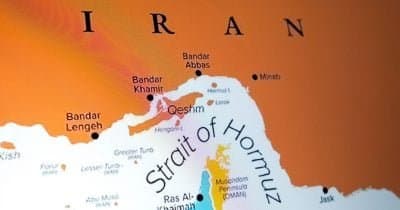
The recent U.S. military strikes against Iran's Islamic Revolutionary Guard Corps (IRGC) near the Strait of Hormuz underscore the ongoing volatility in this critical region. As tensions escalate amidst the broader conflict known as the 2026 Iran war, these actions reveal a strategic response to perceived threats against maritime navigation.
The Context of U.S. Military Action
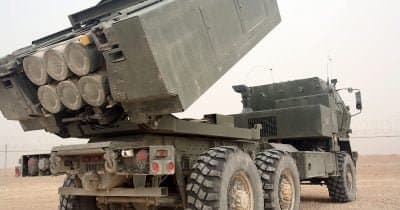
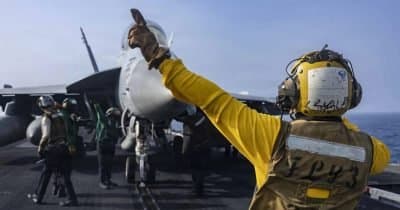
In early July 2026, the U.S. conducted multiple strikes targeting Iranian missile systems, air defenses, and small boats. This marked a significant escalation in military engagement, occurring after Iran's actions to close the Strait of Hormuz, a pivotal waterway for global oil shipping. The U.S. response appears to be focused on preventing Iran from exerting control over commercial vessels, which could further destabilize oil markets and global trade routes.
Market Reactions and Implications
The implications of these military actions extend beyond geopolitical boundaries and into the realm of market dynamics. Analysts observing pricing trends in related markets noted a decrease in expectations regarding Iran's effectiveness in disrupting shipping. On July 12, for instance, there was a reported 93% probability that Iran would fail to successfully target shipping in the near term.
This bolstered U.S. military presence may consequently lessen fears of successful Iranian disruptions, potentially stabilizing oil prices amidst turmoil. However, the situation remains fluid. Market participants must remain vigilant, monitoring not only as responses from the IRGC unfold but also as future U.S. military actions or diplomatic engagements occur.
Future Considerations
Investors and analysts alike should be prepared for potential retaliatory actions from Iran, which could further escalate tensions in the region. As noted in previous discussions on military readiness in the Strait of Hormuz, any shifts in U.S.-Iran relations could have profound implications for market stability and pricing strategies in the energy sector. The delicate balance of power in this area continues to be a significant determinant of both geopolitical and economic outcomes.
This material is informational and should not be considered financial advice.