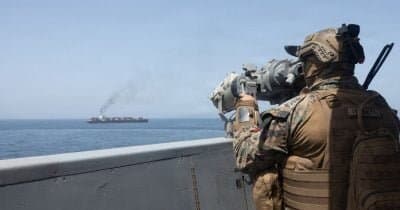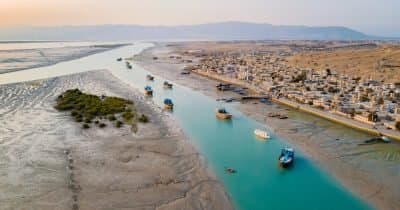
Recent explosions reported in Iran's Qeshm Island and Jask Port have raised alarms, occurring amidst the escalating conflict between the US and Iran. This development aligns with a series of US strikes targeting critical military infrastructure on Iran's southern coastline. Such actions appear designed to undermine Iran's military capabilities, particularly those related to its control over the strategic Strait of Hormuz.
This escalation marks a significant turning point in ongoing tensions, suggesting a shift in the US approach that may provoke a more assertive Iranian response. The Iranian government's rhetoric following these events indicates a commitment to retaliate, which heightens the stakes for all involved. It is essential for observers and investors to recognize the ripple effects this conflict could have, not just regionally, but globally.
Potential Implications for Regional Stability
The situation is exacerbating perceptions of instability within Iran, as indicated by market pricing. If the regime's hold on power is perceived to be weakening which many analysts suggest could be the case by the end of 2026 this might lead to further unrest. The Iranian leadership may eventually face mounting pressure to stabilize domestic conditions while reacting to external military threats.
- Increased military engagement from both sides is likely.
- The Iranian leadership's survival into 2026 remains uncertain amid regional conflict.
- Future tactics used by Iran will be crucial in determining market reactions and geopolitical relationships.
As the situation unfolds, market participants should monitor Iran's potential retaliation and any shifts in US military strategy. This could not only influence sentiment in regional markets but may also have broader implications for energy prices and global trade routes, particularly concerning oil supply through the Strait of Hormuz.
This article is for informational purposes only and should not be considered financial advice.