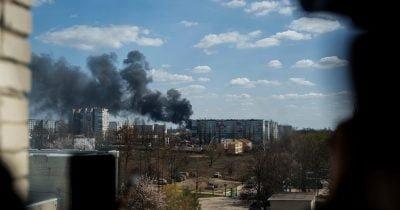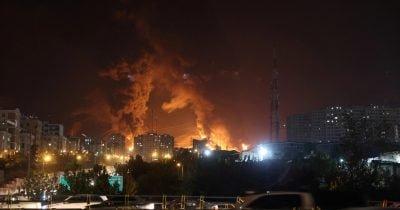
The recent death of an Iranian navy officer during U.S. strikes marks a significant escalation in the already fraught military relationship between the United States and Iran. This incident, reported by Rokna, occurred in Jask and underscores the intensity of U.S. military actions in the region, especially following the collapse of a ceasefire on July 8, 2026. With over 170 strikes aimed at Iranian air defense systems and coastal infrastructures, the U.S. is clearly signaling a willingness to exercise military force to achieve its objectives.
The implications of this escalation are profound not only for the immediate region but also for global markets. The increased military engagement raises the stakes significantly, with market analysts pricing in a 15% rise in the likelihood of a U.S. invasion of Iran. Currently, the odds reflect a 17.5% chance, which indicates that investors are becoming increasingly anxious about potential conflict. Such military actions could disrupt oil supply chains and escalate geopolitical tensions, leading to heightened volatility in energy markets and beyond.
As the situation unfolds, observers should closely monitor further military operations by both the U.S. and Iran. Key indicators to watch will include any announcements from the Pentagon about troop movements or planned military operations. Moreover, diplomatic developments, which could signal a path toward de-escalation, are equally crucial. The roles of regional actors like Pakistan and China, who have previously brokered ceasefires, will also be important to follow, as their involvement could influence the trajectory of the conflict.
In the context of global stability, the interplay of military actions and diplomatic maneuvers will be essential for determining market responses. Any significant shifts in the geopolitical landscape could prompt swift reactions from investors, further complicating the already volatile market environment. The death of the Iranian officer and the accompanying military actions are not just isolated occurrences; they are part of a broader narrative that could shape future economic conditions and global relations.
This material is for informational purposes only and does not constitute financial advice.