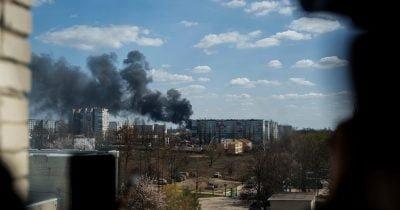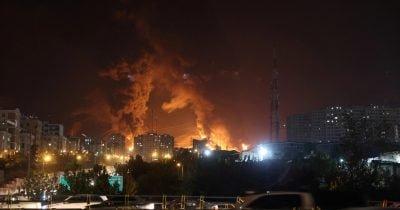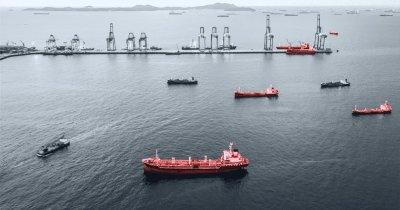
The recent incident in Jask, Iran, where an Iranian navy officer was killed during a series of US military strikes, marks a significant turning point in the ongoing confrontation over the Strait of Hormuz. This maritime chokepoint is pivotal not just for Iran but for global oil supply, as approximately 20% of the world’s oil passes through this narrow passage. The implications of this conflict extend far beyond regional borders, affecting global markets and geopolitical stability.
Strategic Importance of Jask
Jask is not just another port; it is strategically located at the entrance of the Strait of Hormuz and is critical to Iran's maritime logistics. By developing Jask as an alternative export terminal, Iran aims to create a pathway to deliver oil independently of the Strait, thereby mitigating risks associated with potential blockades or military actions from adversaries.
The timing of the strikes from July 9 to 11 comes after months of escalating tensions, following the death of IRGC Navy commander Alireza Tangsiri in March 2026, which was a major blow to Iran’s military strategy in the region. Matters worsened when Iran claimed to have launched missile attacks against a US Navy vessel in May, a claim that was denied by US officials, but nonetheless heightened tensions and set a hostile tone between the two nations.
Implications for Global Oil Markets
The US's military action against Iranian ports represents a qualitative shift from maritime skirmishes to open confrontation. This escalation raises concerns about potential disruptions in oil supplies, leading to volatility in global oil prices. The world economy heavily relies on this region for oil, making any instability a cause for concern for energy ministers worldwide. Furthermore, Iran's promise of retaliation adds another layer of uncertainty to an already fraught scenario.
Market analysts will need to closely monitor how these developments will influence oil prices in the short term. Potential disruptions could lead to increased prices, affecting not just oil markets but also broader economic stability. Investors should be aware that the geopolitical landscape is shifting rapidly, and real-time updates on military engagements could drive sudden price swings.
This article is for informational purposes only and should not be considered financial advice.