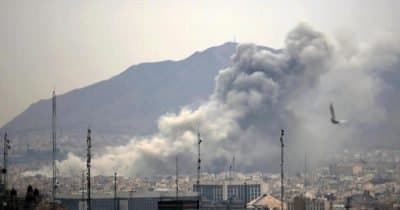
Recent military actions by the United States against Iran have led to a notable shift in the crypto landscape, exacerbating existing anxieties surrounding digital assets. The strikes, which primarily targeted communication infrastructure associated with the Islamic Revolutionary Guard Corps (IRGC), resulted in the death of a telecommunications official and further injuries to civilians. This series of events is particularly significant given the heightened geopolitical tensions.
The U.S. Central Command justified these operations as a necessary response to perceived Iranian threats in the strategically vital Strait of Hormuz, a critical chokepoint for global oil supply. The aftermath of these strikes, which spanned multiple provinces, has already manifested in the form of a decline in Bitcoin's price, pushing it into the $60,000 to $62,000 range. Meanwhile, the CoinDesk 20 Index, reflecting broader market sentiment, recorded a 2.9% drop following the military actions.
Market Reactivity to Geopolitical Events
Historically, the cryptocurrency market has demonstrated a pattern of reactive behavior to geopolitical crises. For instance, during the 2020 Iranian tensions following the assassination of General Qassem Soleimani, Bitcoin experienced a quick recovery. However, the current situation presents a more complex backdrop. The military campaign has targeted extensive infrastructure, suggesting a more prolonged period of instability.
Moreover, the initial response from the crypto market speaks volumes about investor sentiment a mixture of anxiety and caution is palpable. The volatility in altcoins and varying responses to market movements indicate that investors are closely monitoring the situation. A vital aspect for these investors will be watching not just Bitcoin's price trajectory but also trading volumes and exchange flows. A rise in coins moving to exchanges typically foreshadows an upcoming wave of selling pressure.
Implications for Future Market Dynamics
The significance of the Strait of Hormuz extends beyond local borders, influencing global oil prices and potentially triggering inflation fears. Any prolonged conflict could lead to increased macroeconomic pressures on risk assets, including cryptocurrencies. Investors should remain vigilant as the situation unfolds, especially regarding how geopolitical developments might impact market stability.
This article is for informational purposes only and does not constitute financial advice.