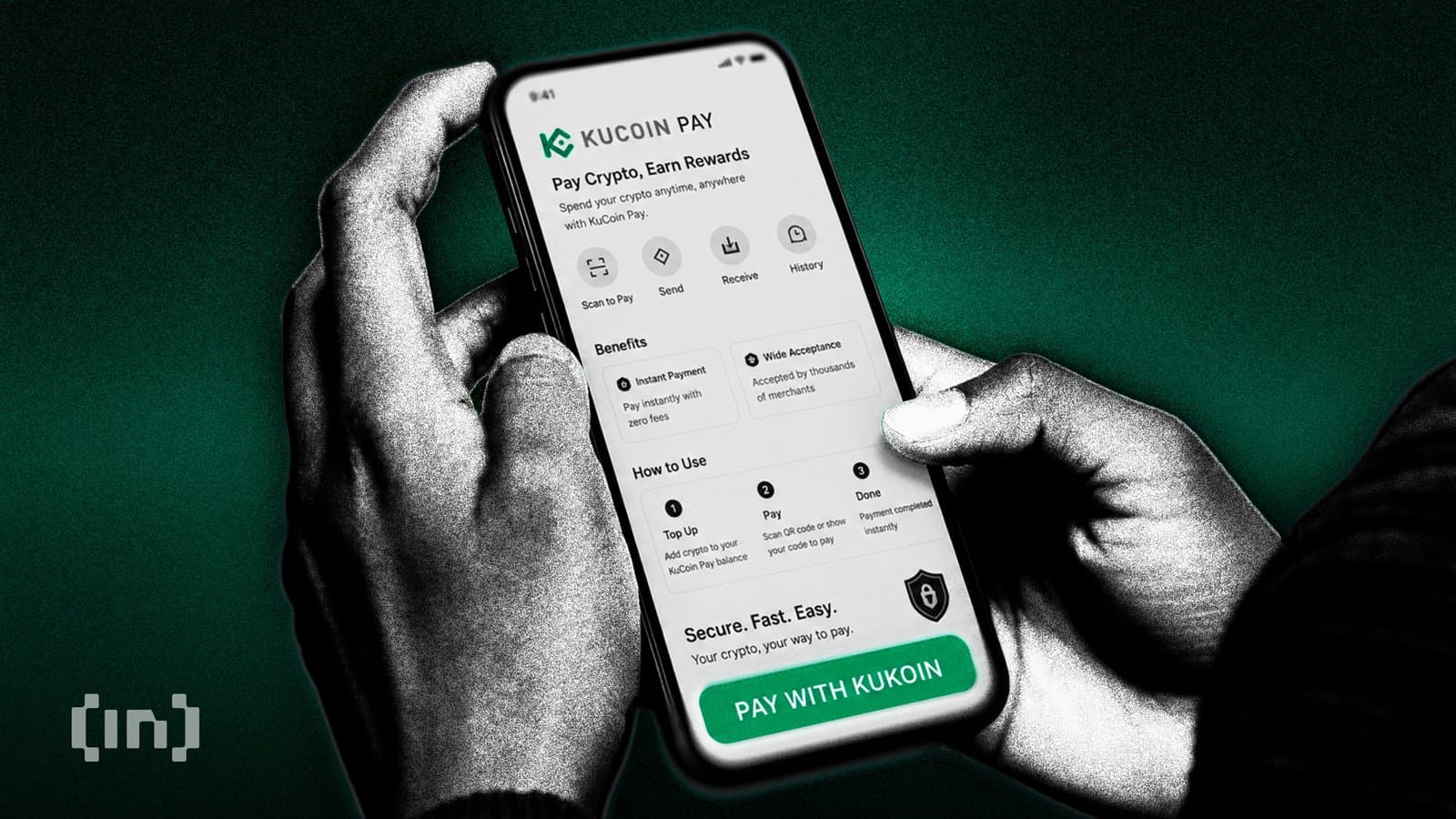
Five countries now support KuCoin Pay's crypto-to-local payment integration, including Argentina, Peru, Mexico, Bangladesh, and Zambia. This expansion follows their previous rollout in Brazil that leveraged the Pix payment network, signaling a concerted effort to embed crypto payments into existing financial infrastructure without forcing merchants to adopt crypto-specific systems.
At its core, KuCoin Pay tackles the fragmentation of global payments. While blockchain transactions are swift, converting crypto holdings into spendable local currency often hits a bottleneck because merchants rely on regional payment rails like Mercado Pago in Argentina or mobile money networks such as MTN and Airtel in Zambia. KuCoin’s solution routes payments smoothly by allowing users to scan existing QR codes or select local transfer options within one platform.
This approach is especially notable because it supports over 50 cryptocurrencies, including Bitcoin, USDT, USDC, and KuCoin’s native token KCS. The platform offers instant settlement without charging fees, making it competitive with many traditional payment processors. Refunds are issued in USDT, though merchant-specific fees may apply, which users should consider.
By integrating with established local systems like Mexico’s SPEI, Bangladesh’s bKash and Nagad, and Peru’s Yape and Plin, KuCoin Pay avoids the common barrier where merchants need to install crypto wallets or specialized checkouts. Instead, it lets crypto users pay anywhere standard QR or mobile payment options are accepted. This can accelerate adoption in markets where digital payment penetration is high but crypto spending options are still limited.
However, the long-term impact hinges on user trust and security. KuCoin has emphasized 'Pay-Safe' protocols urging users to verify merchant identities within the app before confirming payments to mitigate fraud risks prevalent in fast-moving Web3 payments.
KuCoin’s routing layer reflects an innovative intersection between decentralized crypto assets and centralized payment networks, but success depends on widespread merchant cooperation and consumer comfort in using crypto as everyday money. Watching its growth could offer insights into the evolving landscape of crypto usability beyond investment and speculation.
Material is for informational purposes and not financial advice.