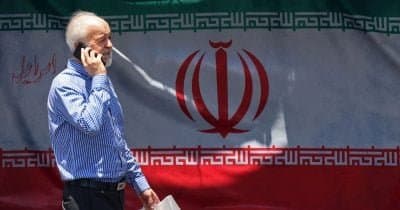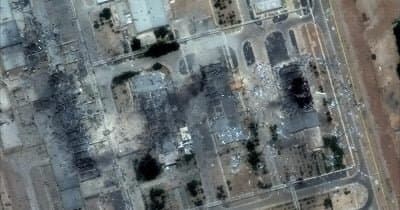
On July 21, 2026, Iran repositioned its air defense systems around eastern and western Tehran, a move confirmed by Tasnim News. This redeployment is a reaction to escalating pressures from the United States and Israel amid a backdrop of earlier military clashes within the year.
The strategic concentration on defending Tehran rather than launching offensive operations indicates that Iran perceives an immediate threat to its capital's airspace. By fortifying these zones, Iran aims to deter or mitigate potential air or missile strikes, signaling a heightened alert status.
Market participants have interpreted this military adjustment as aligning with scenarios involving a potential closure of Iranian airspace. The anticipation of such a measure reflects an environment where regional conflict risks have intensified, influencing pricing and risk assessments.
This development has broader implications for geopolitical stability and energy markets, given Iran's critical position in global oil supply chains. Increased military readiness in Tehran can heighten uncertainty, prompting investors and traders to adjust their positions based on potential disruption risks.
Watching official communications from Iranian authorities like the Civil Aviation Organization and state media will be critical to confirming any airspace restrictions. on top of that, diplomatic signals from the US or Iran regarding de-escalation could rapidly shift market expectations and reduce the perceived likelihood of such closures.
This material is informational and should not be considered financial advice.