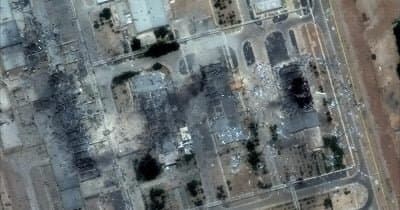
Authorities in Iran's Hormozgan province have officially denied reports of any attack or explosion in Sirik or other areas within the province, according to Tasnim news agency. This statement arrives amid intensified scrutiny of the Strait of Hormuz, a critical maritime bottleneck long contested in the ongoing Iran U.S. conflict. The denial suggests no fresh military provocations have occurred recently, despite heightened regional tensions. This development tempers immediate concerns about potential disruptions to the vital shipping lanes passing through the strait.
Implications for Regional Stability and Markets
The Hormozgan official’s statement plays a key role in shaping risk perceptions around the Persian Gulf. Market participants often react swiftly to signs of military escalation in this corridor, given its outsized influence on global oil supply and energy prices. By refuting reports of explosions or attacks, Hormozgan authorities effectively reduce the probability of sudden conflict flare-ups. This aligns with current market pricing, which reflects a subdued outlook regarding Iran launching military operations against any Gulf state.
The absence of confirmed incidents also signals a containment of tensions for now. Past episodes of conflict in the region have triggered sharp price spikes and volatility. Maintaining calm around the Strait of Hormuz helps stabilize maritime traffic and energy markets, at least temporarily. However, the situation remains fluid. Observers continue to watch for any shifts that could alter this equilibrium, such as statements or actions from Iranian leadership including President Ebrahim Raisi or the Islamic Revolutionary Guard Corps (IRGC).
Given the strategic importance of the strait, even unverified reports can influence investor sentiment and trading behavior. The denial thus serves as an anchor for calmer market conditions, but vigilance remains necessary. Any confirmed military activity could rapidly transform the outlook and disrupt supply chains, with cascading effects on global energy costs.
This content is informational and not financial advice.