Brent crude oil prices narrowly missed $92 per barrel amid escalating clashes between US forces and Iran near the Strait of Hormuz, a critical artery for global energy shipments. The intensity of the conflict has driven a 20% price increase in West Texas Intermediate crude since hostilities reignited, pushing WTI past $84 per barrel and signaling serious disruptions in supply chains. This sharp escalation threatens to prolong inflationary pressures and complicate the Federal Reserve's plans for interest rate cuts.
Tensions have directly impacted maritime traffic in the Strait of Hormuz, where vessel transits dropped by nearly half in the week ending July 19 compared to the previous week, plunging from 248 to 127. Despite US military assurances that the southern corridor remains open, the majority of commercial shipping is rerouting through Iran's northern passage, reflecting heightened security concerns. This shift not only slows supply flows but also amplifies global market uncertainty.
Military Operations and Infrastructure Damage Intensify Market Volatility
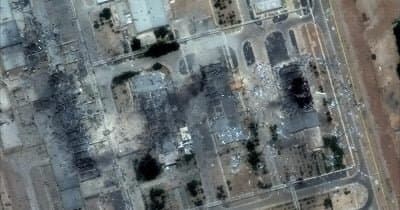
The fighting extends beyond combat zones, with US warplanes and naval forces reportedly targeting civilian infrastructure such as bridges and power generation facilities in an effort to exert pressure. Iranian retaliatory strikes have spread to neighboring Persian Gulf states, escalating regional instability. The damage to energy infrastructure and key transit points deepens fears of supply bottlenecks, especially as Indian refiners like Indian Oil and Mangalore Refinery have suspended Iraqi crude loadings amid these risks.
Long-Term Consequences for Oil Markets and Inflation Outlook
Goldman Sachs has warned that prolonged blockades or further escalation could drive Brent crude prices above $120 per barrel by the fourth quarter of 2026. Current estimates suggest Persian Gulf crude shipments have fallen below 45% of pre-conflict levels, indicating a severe supply shock if tensions continue unabated. For investors, this signals increased price volatility and highlights the fragile balance between geopolitical risks and market fundamentals.
The disruption impacts not only energy markets but also has broader macroeconomic implications. Elevated oil prices typically translate into higher transportation and production costs worldwide, feeding into inflation metrics already under scrutiny by central banks. The Federal Reserve may find it increasingly difficult to justify rate cuts if energy-driven inflation remains stubborn.
This material is for informational purposes only and does not constitute financial advice.