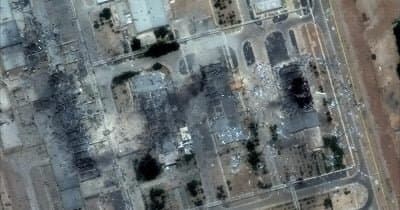
Iran has activated its air defenses in Tehran, a signal that tensions remain elevated in the volatile Iran-Israel conflict. This step, reported by Nour via ZeroHedge, reflects Tehran's heightened military vigilance toward potential aerial threats against its political and military core.
Strategic Implications of Tehran’s Air Defense Posture
Tehran stands as a critical hub for Iran’s state apparatus, making any activation of its air defenses a clear indication of perceived imminent risks. Despite Israeli officials denying involvement in the latest reported hostile activity, the move shows the fragility of the current ceasefire and the potential for renewed military engagement. The region has witnessed recurring exchanges of military strikes, which keep investor and market attention on possible escalation points.
The activation could also point to anticipations of broader airspace restrictions. Market pricing fluctuations now lean toward an increased likelihood of a full Iranian airspace closure, with the probability for such an event rising sharply. This shift impacts not only geopolitical calculations but also aviation, trade routes, and regional economic stability.
Observers are closely watching for official updates from Iran’s Civil Aviation Organization or state media that could confirm airspace status changes. also developments in US-Iran relations might influence whether de-escalation efforts restore calmer conditions or if tensions persist.
Such military preparedness in Tehran serves as a barometer for heightened security concerns in the Middle East, a region where strategic assets and energy corridors are particularly sensitive to disruptions.
This analysis is informational and does not constitute financial advice.