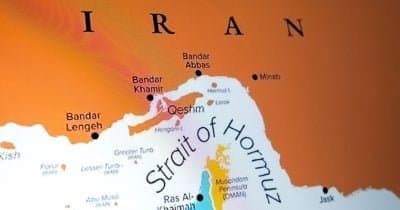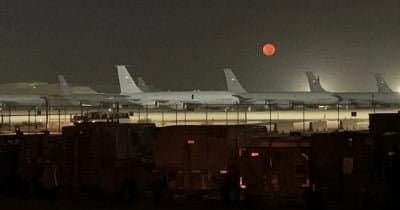
Iran's assertion of striking the Al Udeid Air Base in Qatar, bolstered by released satellite images, escalates tensions in a region already destabilized by the 2026 Iran United States conflict. The images, published by the Fars News Agency, suggest damage to radar systems and aircraft, potentially undermining a key U.S. military foothold in the Gulf. Yet, independent verification remains absent, fueling debate over the actual impact.
Such claims matter beyond military symbolism. Al Udeid serves as a key command-and-control hub, so any credible damage could disrupt U.S. operations and signal Iran’s intention to intensify asymmetric warfare against Gulf allies. Market behavior reflects this concern: predictive pricing analytics show a 62.5% chance of further Iranian attacks on Gulf states by July 22, a sharp increase that shows investor anxiety about regional stability and associated geopolitical risks.
Implications for Regional Security
The ongoing tit-for-tat character of this conflict, marked by recently collapsed ceasefires and reciprocal strikes, raises the likelihood of a wider escalation. Iran targeting infrastructure at Al Udeid exemplifies a strategic focus on degrading command networks rather than indiscriminate attacks, suggesting calculated military objectives designed to impair U.S. influence without triggering full-scale war. However, the absence of third-party confirmation and suspicions that some released images might be AI-generated complicate the intelligence picture, leaving policymakers and market participants to weigh conflicting signals.
Market and Investor Considerations
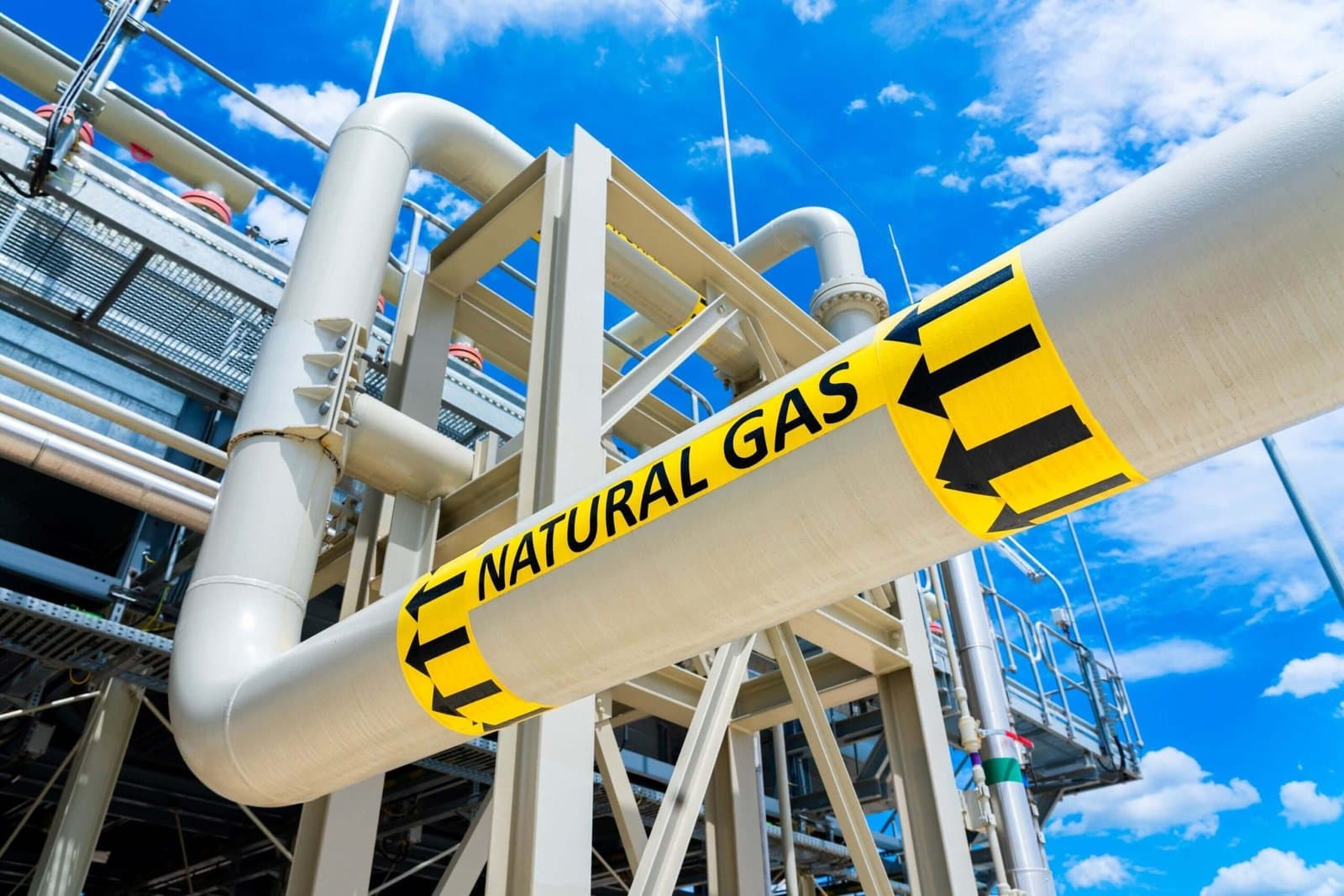
Heightened geopolitical risk often translates into volatility for assets sensitive to Middle Eastern stability, including energy prices and regional equities. Trading desks are now pricing in potential disruptions to supply chains and military postures. Investors should watch statements from U.S. military sources and Iranian leadership figures such as President Ebrahim Raisi or Supreme Leader Ali Khamenei, whose rhetoric may drive short-term market swings. Upcoming military exercises or diplomatic moves could either temper or intensify tensions.
Given the fluidity, investors might draw parallels with recent Fed-driven market uncertainties that extended volatility in other sectors, emphasizing the importance of agile portfolio strategies amid geopolitical shocks.
This material is informational and does not constitute financial advice.