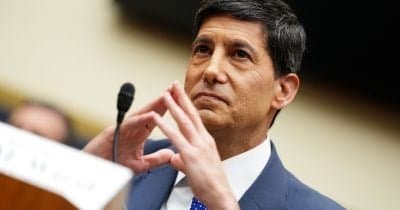
Kevin Warsh, appointed Federal Reserve chairman in May 2026, stunned markets by reaffirming a tough stance on inflation during his July congressional testimony. Despite inflation easing slightly, it remains stubbornly above 3%, forcing the Fed funds rate to hover between 3.5% and 3.75%. This hawkish tone signals a continued reluctance to ease monetary policy anytime soon, contradicting market hopes for a softer approach.
The Persistence of Inflation and Rate Policies
Warsh’s background as a former Fed Governor during the 2008 crisis adds significant weight to his hawkish view. While he acknowledged some easing in inflation expectations at the recent ECB Forum in Sintra, his firm assertion that "prices remain too high" shows a commitment to the Fed’s 2% inflation target as a rigid goal, not a flexible benchmark.
This stance matters because it suggests rates will stay elevated longer than many investors anticipated. Elevated rates aim to choke demand and bring down inflation but also increase borrowing costs across the economy.
Impact on Bond Markets and Investor Sentiment
Bond markets swiftly digested Warsh’s message. Investors now price in prolonged rate hikes or at least a sustained elevated rate environment. This shift reflects a recalibration of expectations fixed income players no longer expect early rate cuts and are preparing for a tighter monetary landscape.
Implications for Crypto Investors
Though Warsh has not explicitly addressed cryptocurrencies, his policy decisions inevitably ripple through to digital assets. Unlike yield-bearing assets, cryptocurrencies like Bitcoin do not generate income, making them more vulnerable to opportunities lost when interest rates rise.
The crypto market’s sensitivity to Fed policies is well-documented. The harsh crypto winter of 2022 coincided with one of the most aggressive rate-hiking cycles in decades. Conversely, crypto’s recent recovery hinged on market expectations that easing was on the horizon. Warsh’s current hawkish posture suggests those easing hopes will be delayed, potentially dampening crypto’s upside momentum.
This outlook forces crypto holders and investors to reconsider risk assessments. Holding non-yielding assets when rates are likely to remain above 3.5% means opportunity costs mount, and speculative capital might flow to safer or yield-generating alternatives instead.
Disclaimer: this material is informational and does not constitute financial advice.