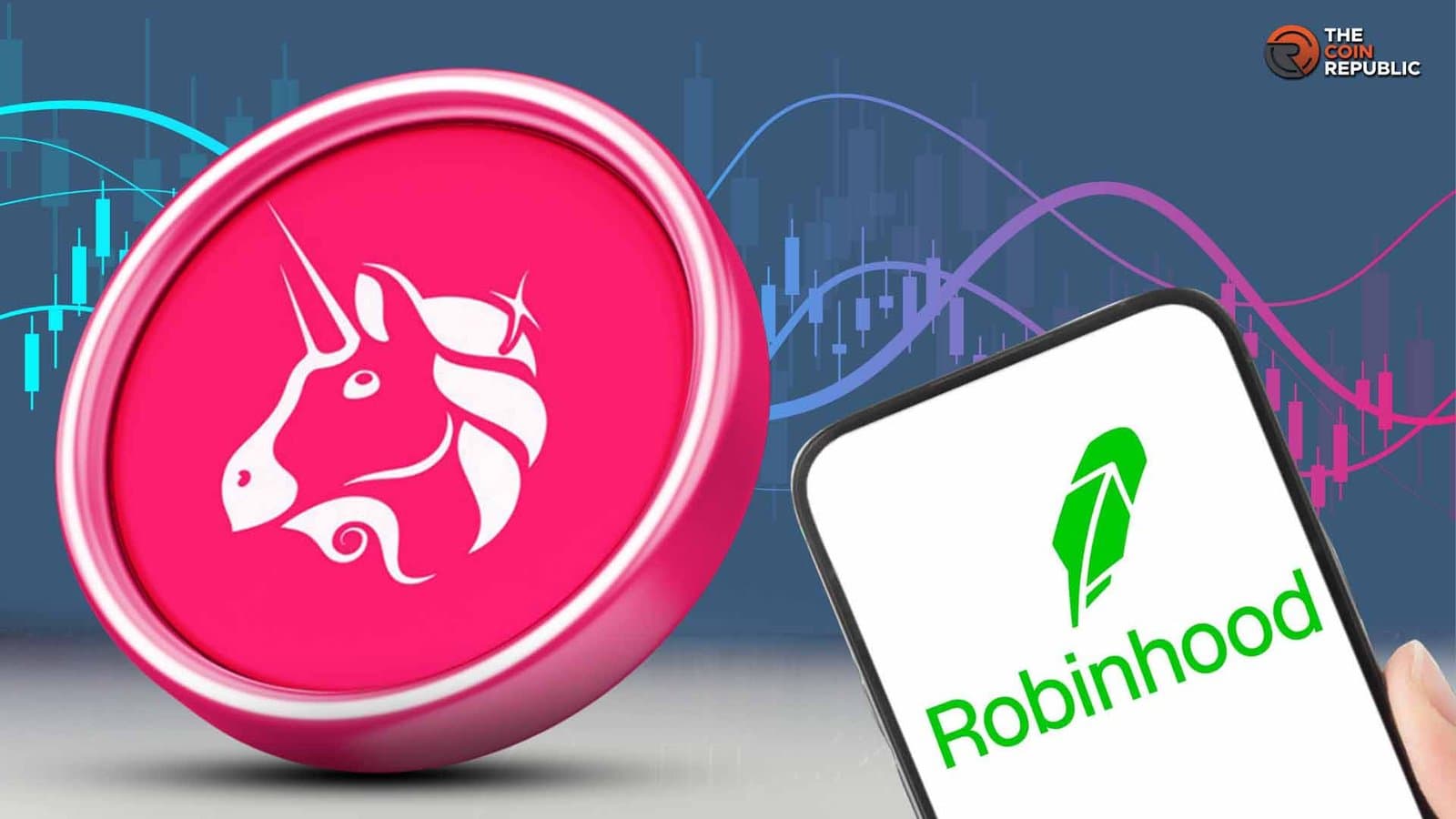
Voting on Uniswap governance proposals started July 19 and runs through July 26. The outcome could reshape how fees fund UNI burns across multiple networks and pool versions.
Uniswap’s v4 pools require a unique fee system, unlike earlier versions. The proposed V4FeePolicy contract would calculate fees per pool, while a V4FeeAdapter directs these fees into a TokenJar, setting the stage for a broader UNI token burn mechanism.
This approach consolidates management under a unified framework, eliminating the need for separate votes on individual pools and maintaining transparency onchain. If approved, it will link Uniswap v4 trading fees to the UNI burn for the first time.
Currently, protocol fees on v2 and v3 pools operate across 11 networks. Uniswap Labs reported a one-day burn of 186,000 UNI last month, demonstrating strong demand to reduce circulating supply. Adding v4 fees could increase this burn rate, assuming sustained swap volume.
The second proposal targets Uniswap v2 and v3 fees on Robinhood Chain, launched July 1. Within ten days, cumulative swap volume surpassed $6 billion, underscoring significant user activity shortly after launch. This volume gives weight to the argument for extending fee-based UNI burns onto Robinhood Chain.
Approved fees from Robinhood Chain would funnel into a TokenJar contract. Searchers could claim these assets by providing equal UNI value, which would then be bridged back to Ethereum and sent to the burn address. This cross-chain mechanism uses Arbitrum Orbit’s framework and Ethereum retryable tickets to ensure governance messages propagate securely.
Uniswap’s price has shown modest gains near $3.53, holding above the $3.41 Fibonacci support. Positive momentum exists but resistance remains near $3.57. If governance backs these fee proposals, the resulting increase in token burns could tighten supply and potentially support price appreciation over time.
The Robinhood Chain’s rapid $6 billion swap volume signals strong user adoption that may accelerate UNI’s deflationary dynamics. These governance moves reflect a broader trend of DeFi protocols expanding fee structures to enhance tokenomics and incentivize holders.
This material is informational and not financial advice.