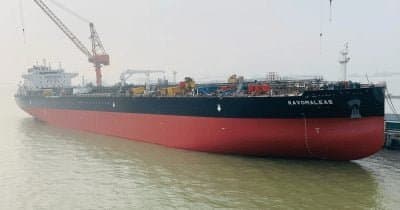
European gas prices surged over 3.4% on Monday, reaching levels unseen since late March. This spike coincided abruptly with a commercial tanker catching fire following an attack in the Strait of Hormuz, a maritime chokepoint critical to global energy flows. The incident shows how geopolitical tensions in far-flung regions cascade into European energy markets, exposing persistent vulnerabilities.
The Strait of Hormuz: A Vital Energy Artery Under Threat
Approximately one-fifth of the world’s liquefied natural gas (LNG) shipments transit through the Strait of Hormuz, tying the region's security directly to global supply stability. Most of these shipments originate from Gulf producers, integral suppliers to Europe’s growing LNG imports. Since the sharp decline in Russian pipeline gas exports amid the Ukraine conflict, Europe’s reliance on LNG imports surged, making uninterrupted seaborne deliveries more critical than ever.
Even though LNG cargoes continue to move through the strait, the tanker fire elevated war-risk concerns. Insurance premiums for vessels have sharply increased as underwriters factor in the heightened probability of further security incidents. These elevated insurance costs incrementally transfer into European wholesale gas prices, compounding the direct supply risk with rising operational costs.
Ripple Effects on Energy Prices and Market Sentiment
Alongside natural gas, crude oil prices climbed 2.2% on the day, reflecting intertwined energy markets and reinforcing upward pressure on oil-indexed gas contracts. This simultaneous rise illustrates how a single geopolitical flashpoint can influence multiple commodities swiftly, amplifying market volatility beyond direct physical supply disruptions.
Europe's utilities face this challenge at a precarious time. Entering seasons with higher energy demand, even minor interruptions or increased costs can disproportionately inflate prices across the continent. Market participants are closely monitoring the situation, aware that sustained disruptions in the Strait of Hormuz would escalate these price effects further.
Monday’s surge in Europe’s Dutch TTF front-month natural gas contract highlights the speed at which geopolitical events reshape the market’s risk assessment. The price action acts as a barometer for future supply anxiety and operational cost inflation, signaling that the regional energy landscape remains deeply exposed to Middle Eastern conflict dynamics.
This development links directly with insights on how geopolitical tensions impact energy-centric markets, much like the strategic grip Iran holds on the strait and its potential to redraw regional conflict lines.
Material provided for information only, not financial advice.