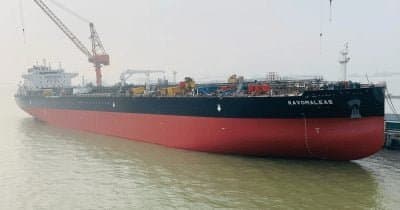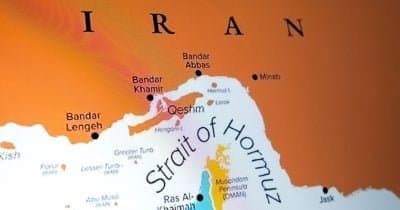
Iranian lawmaker Rouhollah Motefakker Azad recently declared that the Strait of Hormuz is firmly under Iran’s control, signaling a critical escalation in the ongoing 2026 conflict involving Iran, the United States, and Israel. This is not just rhetoric: Iran has already disrupted shipping traffic through the strait, a vital artery for global oil supplies, in response to U.S.-Israeli airstrikes. Such maneuvers threaten to heighten tensions and impose direct costs on international trade and energy markets.
The Strait of Hormuz's strategic importance cannot be overstated. Roughly 20% of the world’s petroleum passes through this narrow waterway. Iran’s assertion of control and willingness to escalate militarily implies increased risks for global energy security and raises the stakes for all involved parties. If Tehran intensifies its military presence or obstructs shipping further, oil prices could surge sharply, triggering volatility across global markets.
Azad’s statement also hints at a broader regional strategy. Tehran appears ready to use its geographic advantage in Hormuz to counterbalance U.S. and Israeli military pressure. This posture could embolden allied groups such as the Houthis, whose potential military actions against Israel are already factored into market pricing. Such proxy escalations would complicate the conflict dynamics and widen the theater of instability beyond direct Iran-U.S.-Israel engagements.
Market participants should closely watch diplomatic signals and military movements in the region. Any uptick in Iranian aggression risks pulling neighboring actors deeper into the conflict, affecting not only oil supply but also introducing unpredictable elements into global risk assessments. This situation echoes how shifts in U.S. policy toward Iran’s nuclear ambitions have previously altered market perceptions, underscoring the fluidity of geopolitical risk in the Middle East.
Meanwhile, disruptions in the Strait of Hormuz serve as a stark reminder that regional conflicts can rapidly translate into global economic consequences. Investors and traders must remain alert to developments as Tehran’s posture evolves, given how interconnected energy markets and geopolitical stability have become.
This material is for informational purposes only and does not constitute financial advice.