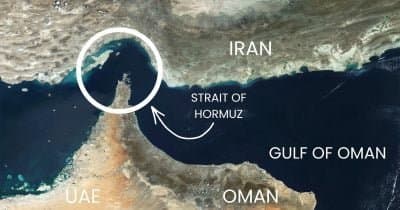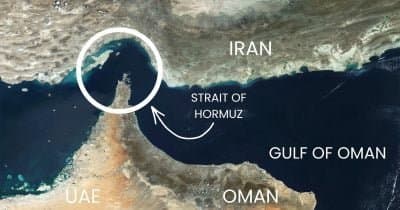
Recent escalations in the Strait of Hormuz have intensified market speculation regarding U.S. oil prices, with forecasts suggesting they could surpass $85 per barrel. The current situation stems from renewed hostilities between the United States and Iran, following attacks on commercial vessels and subsequent military responses. Such developments have not only threatened maritime security but have also raised alarms about the stability of a key transit route responsible for approximately 20% of global oil trade.
Market Reactions and Speculations
The oil markets are currently reacting to the perceived likelihood of Iran imposing transit fees on vessels navigating through the Strait. Following the latest reports, there has been a noticeable increase in market activity, reflecting a heightened sense of uncertainty. As of July 15, the market indicates a 5.4% probability that these fees could be enacted imminently. In contrast, longer-term projections suggest a 62.5% chance that fees will be implemented by the end of October, demonstrating a growing concern among investors.
These potential fees would significantly impact shipping costs and, by extension, global oil prices. The implications are profound; should Iran decide to enforce such fees, it could disrupt the flow of oil and lead to sharp increases in prices, affecting everything from consumer gas costs to broader economic indicators.
Key Factors to Monitor
Investors and analysts must keep a close eye on several critical factors. Official announcements from Iranian authorities or the Islamic Revolutionary Guard Corps (IRGC) regarding the imposition of fees will be key in shaping market perceptions. Additionally, any statements from the U.S. government or major shipping companies confirming or denying fee payments could lead to rapid shifts in market sentiment.
Furthermore, diplomatic engagements between the U.S. and Iran may also alter the current trajectory of expectations concerning transit fees and oil prices. Any signs of de-escalation could alleviate some of the tension in the markets, whereas further provocations could exacerbate price volatility.
This article is for informational purposes only and does not constitute financial advice.