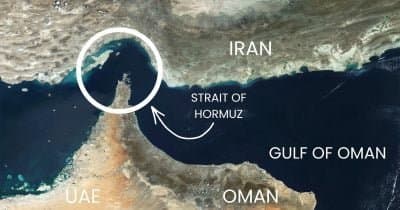
Iran’s recent targeting of an Omani radar station marks a significant escalation in its military strategy against the United States and its allies in the Gulf region. This incident, attributed to the Islamic Revolutionary Guard Corps (IRGC), aims to diminish U.S. surveillance capabilities in the vital Strait of Hormuz, a crucial maritime corridor for global oil transport.
The IRGC's claim of destroying key radar systems signals a deliberate effort to enhance Iran's operational security while continuing its confrontational stance. As the Strait of Hormuz is a chokepoint for nearly 20% of the world's oil, any reduction in U.S. visibility raises the stakes for all regional stakeholders. The attack follows Iran’s previous threats to close this strategic waterway in retaliation for U.S. and Israeli military actions.
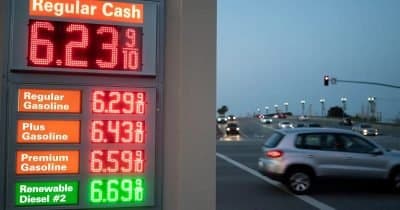
In response to this escalation, prediction markets indicate a heightened probability of further military confrontations involving Iran and neighboring Gulf states. Market participants interpret these developments as consistent with Iran’s history of aggressive posturing in response to perceived threats. The implications for oil prices and regional security are profound, as increased military tensions could lead to supply disruptions and volatility in global markets.
As observers await further confirmations from U.S. Central Command regarding the extent of the damage, potential retaliatory measures from the U.S. or its allies remain a critical point of concern. The ability of Iran to maintain its aggressive stance while navigating international scrutiny will shape the geopolitical landscape in the coming months. Additionally, announcements from the IRGC will likely influence market strategies and investor sentiment regarding stability in the region, especially in light of the ongoing U.S.-Iran conflict. For those looking at the broader implications, the intersection of military actions and oil market dynamics could foreshadow significant shifts in both regional and global economic conditions.
This article is for informational purposes only and does not constitute financial advice.