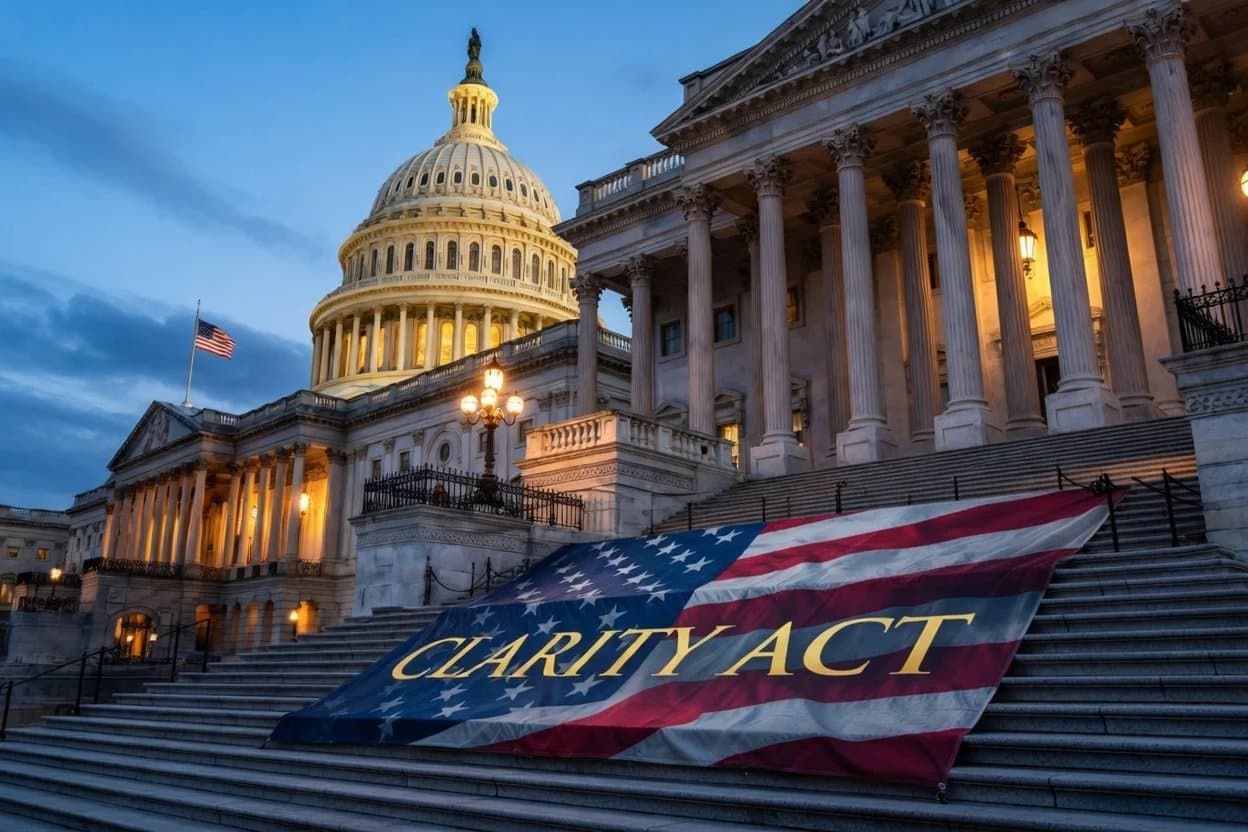
The Digital Asset Market Clarity Act is gaining traction ahead of its Senate push, with significant backing from law enforcement. The Federal Law Enforcement Officers Association (FLEOA) has thrown its support behind the legislation, emphasizing the importance of balancing digital asset innovation with public safety concerns. This endorsement marks a key moment as the Senate approaches its August deadline, where unresolved issues around developer protections and investigative powers loom large.
FLEOA represents over 34,000 active and retired federal officers from more than 65 agencies. Their endorsement, coupled with earlier support from the National Organization of Black Law Enforcement Executives (NOBLE), signifies a growing consensus among law enforcement regarding the need for clarity in the regulation of digital assets.
However, FLEOA has also raised critical points that require attention. They urge lawmakers to implement stricter accountability measures for decentralized finance (DeFi) platforms. The organization is particularly concerned about provisions that could allow companies to evade regulations by misrepresenting their services as decentralized. The recommendation to replace the bill’s “specific intent” test with an existing knowledge standard highlights the complexity of defining liability in the rapidly evolving crypto landscape.
Implications for Crypto Regulation
This legislative effort comes at a time when the crypto sector is under increased scrutiny. A recent report indicated that many law enforcement groups are wary of provisions that could complicate investigations into financial crimes within the crypto space. The debate surrounding Section 604, which aims to protect certain software developers and non-custodial service providers from being classified as money transmitters, exemplifies the tension between fostering innovation and ensuring accountability. As noted by some critics, broad protections may hinder investigations into crypto-related crimes, a concern echoed by several law enforcement associations.
As FLEOA’s National President Mathew Silverman articulated, officers require adequate tools to tackle complex financial crimes effectively. Balancing consumer protection with law enforcement capabilities is crucial, particularly as the crypto market continues to mature. The DOJ has already indicated that some fears about lost enforcement powers may be overstated, suggesting a nuanced discussion ahead.
In this context, the implications of the CLARITY Act extend far beyond legislative language. With law enforcement groups actively weighing in, the outcome of this bill could set important precedents for how cryptocurrencies are governed in the U.S. The current climate calls for a careful examination of how best to regulate without stifling innovation, particularly as the market grows and evolves.
This article is for informational purposes only and does not constitute financial advice.