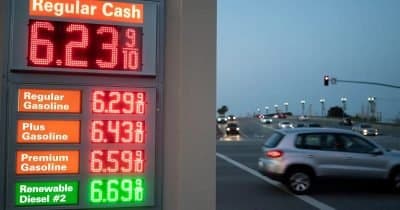
The recent drop in gasoline prices serves as a critical indicator of changing inflation dynamics in the U.S. June 2026 is expected to showcase a deceleration in consumer inflation, primarily due to a significant decline in energy costs. Gas prices plummeted by 9.6%, now averaging $4.05 per gallon, as crude oil slipped from nearly $120 to the now more manageable range of $70 80. This decline is key as it directly influences consumer spending, which constitutes a significant portion of the economy.
The anticipated release of the Consumer Price Index (CPI) report today by the Bureau of Labor Statistics is highly anticipated among market participants. The CPI report will provide insight into the inflation trajectory and could indicate whether the peak inflation phase of 2026 has truly passed. Market sentiment currently suggests a cautious optimism; traders are pricing in a potential slowing in inflation rates, reflecting a 49.7% probability that annual inflation will be 3.8% or lower.
It is important to recognize that while the decline in gasoline prices is a strong factor, it is not the sole component influencing inflation. Broader trends in energy costs and their relationship with other sectors play a role. For instance, if energy prices continue to decrease, this could create a ripple effect, reducing costs in transportation and manufacturing, ultimately benefiting consumers. However, the market remains cautious; statements from Federal Reserve Chair Jerome H. Powell and the Federal Open Market Committee (FOMC) regarding interest rates will be closely monitored as they can significantly impact economic forecasts.
In conclusion, the interplay between fluctuating gas prices and overall inflation rates is a critical narrative for investors and policymakers alike. The upcoming CPI report may thus not only reflect current economic conditions but also shape future monetary policy and market behavior.
This material is informational and not a financial recommendation.