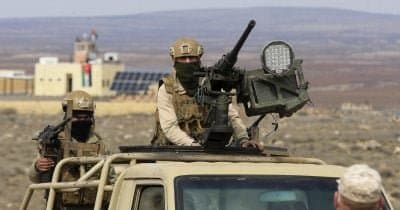
On July 13, Jordan successfully intercepted four missiles launched from Iranian territory, a clear indication of escalating tensions in the Middle East. This incident has further reshaped risk calculations across global markets, yet Bitcoin managed to hold steady around $64,000 during this geopolitical turmoil.
Escalating Conflicts and Market Reactions
This most recent interception is part of a troubling pattern for Jordan, which previously intercepted 20 missiles in June 2026. The ongoing conflict has roots in a collapsed ceasefire agreement from last month, leading to a new wave of military aggressions primarily targeting Jordanian military facilities that house U.S. forces. The implications are not only regional but also international, as the U.S. remains heavily invested in Middle Eastern stability.
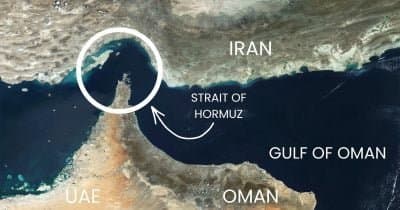
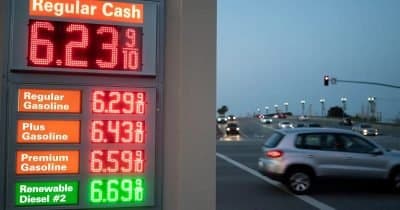
The direct impact on traditional markets has been pronounced. Following the missile interceptions, Brent crude oil prices surged by 4%, reflecting a heightened sensitivity to supply chain vulnerabilities in the region. Investors are clearly concerned about potential disruptions in oil flow through the Strait of Hormuz, a critical passage that accounts for about 20% of global oil transportation.
Bitcoin's Resilience Amidst Turbulence
While the oil market reacted predictably to the heightened tensions, Bitcoin's relative calm stands out. At approximately $64,000, Bitcoin showed remarkable stability despite the backdrop of military conflict. This resilience may suggest that crypto investors are increasingly viewing Bitcoin as a safe haven or a hedge against geopolitical risks, diverging from the traditional market reactions.
The current situation indicates a possible closure of Iranian airspace, predicted by analysts to occur by the end of July 2026. Such developments would significantly intensify the ongoing conflict and could lead to volatility across energy markets, notably affecting energy-exposed portfolios. The swift price movement in Brent crude illustrates just how sensitive the market is to any developments, implying that investors should remain vigilant.
This content serves as informational material and should not be construed as financial advice.