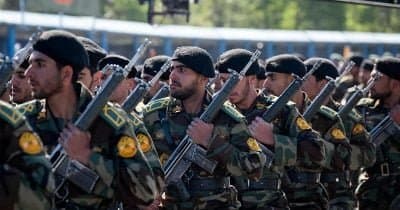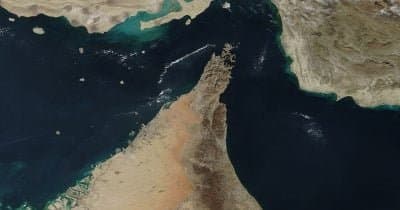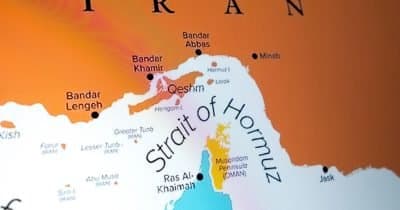
The recent declaration by Iran’s Revolutionary Guards asserting control over the Strait of Hormuz signals a troubling escalation in regional tensions that could have far-reaching implications for global energy markets. This narrow waterway is a critical chokepoint through which a significant percentage of the world’s oil supply passes, making any disruption here particularly impactful on international trade.
Context of Rising Tensions
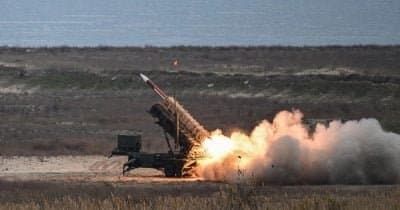
The backdrop to this development involves escalating hostilities between Iran, the United States, and Israel, particularly following a series of confrontations since early 2026. Recent U.S. military actions in retaliation for attacks on commercial vessels in the region have further inflamed the situation, creating a cycle of provocation that could lead to a broader conflict. As noted by market observers, the probability of traffic normalization through the Strait of Hormuz has dwindled significantly, with current odds dropping to 15.5% ahead of a potential deadline at the end of August.
Implications for Global Oil Trade
The assertion of control by Iranian forces not only indicates a commitment to maintaining a blockade against unauthorized vessels but also reflects a significant threat to the stability of oil prices worldwide. With oil supply heavily reliant on this route, any extended disruption could lead to a sharp increase in prices, affecting economies globally. The situation is further complicated by the interconnectedness of geopolitical events; as tensions rise, so too do the prices of oil futures, which predictively react to instability in the region.
Possible Outcomes and Market Reactions
Investors should remain vigilant for changes in this volatile landscape. Key indicators to monitor include official communications from both Iranian and U.S. authorities, particularly regarding any diplomatic efforts that could ease hostilities. A transition from a 'CLOSED' to 'OPEN' status on vessel tracking platforms would be a positive sign for traders, suggesting a potential return to normalcy. Conversely, increased military actions or public affirmations of the blockade are likely to maintain or exacerbate current pricing trends, further complicating the global energy market dynamics.
This material is informational and not financial advice.