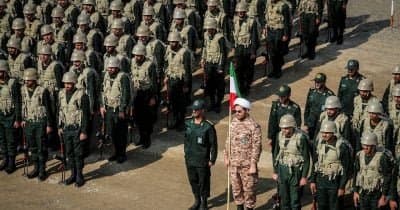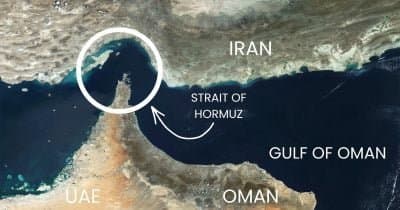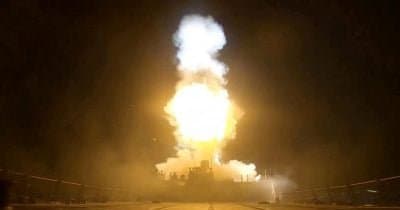
Recent military operations conducted by Iran against U.S. military assets in the Middle East have heightened tensions in an already volatile region. Reports indicate that Iran successfully targeted key infrastructure, including an FPS long-range air surveillance radar and a vessel detection radar in Oman. These strikes are viewed as a direct response to U.S. military actions that have allegedly targeted civilian areas, further escalating what has become known as the 2026 Iran War.
The timing of these military actions is particularly significant. An observable surge in the probability of Iranian military engagement was noted leading up to July 12 and July 13, 2026, with market sentiments reflecting an increase from 15% to 65.4% within a short span of time. This spike in implied probability underscores the anticipation of further military developments, signaling to investors and political observers that the situation remains highly fluid.
Iran's military strategy appears to focus on degrading U.S. surveillance capabilities, a tactic that could have far-reaching implications for regional stability. With ongoing hostilities despite a ceasefire agreement established in April, the conflict shows no signs of abating. These developments are particularly relevant to global markets, as traders and analysts assess the potential for further geopolitical instability that could disrupt oil supplies and impact financial markets worldwide.
Looking ahead, it will be crucial to observe any official responses from the U.S. Department of Defense regarding the strikes to gauge the possible ramifications of escalating tensions. Additionally, any diplomatic efforts by regional players like Qatar or Oman could play a vital role in mediating the conflict. Announcements from the Iranian military regarding further operations will also be critical for understanding the trajectory of this conflict.
This analysis is for informational purposes only and does not constitute financial advice.