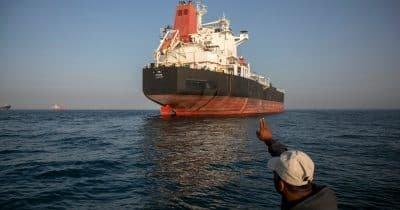
The recent decision by Iran to introduce service fees for vessels passing through the strategic Strait of Hormuz raises significant concerns about potential shifts in global shipping and oil markets. As the 60-day free passage period, established in response to a US-Iran memorandum of understanding, comes to an end, a new maritime fee structure incorporating Bitcoin payments and preferential rates for allied nations is set to take effect.
The Rationale Behind the Fee Structure
The Iranian government is leveraging its authority, having established the Persian Gulf Strait Authority to regulate navigation and environmental measures while collecting fees for safe passage. Designated as 'maritime service fees' instead of tolls, this distinction may circumvent certain aspects of international maritime law, creating potential legal gray areas for international response.
Washington's immediate rejection of this fee structure suggests strong opposition to what could be seen as Iran's attempt to legitimize its dominance over a shipping route that carries approximately 20% of the world’s oil supply. Companies like Maersk are already signaling apprehension, arguing that such precedents could disrupt established international shipping norms and lead to increased operational costs.
Integration of Cryptocurrency in Maritime Operations
Adding a further layer of complexity is the introduction of Iran's Hormuz Safe platform. This service allows for Bitcoin-settled insurance for ships traversing the Strait, showcasing Iran's adoption of crypto to bypass financial isolation caused by global sanctions. With traditional banking routes largely unavailable due to exclusion from the SWIFT network, the use of cryptocurrencies provides an alternative avenue for revenue collection.
Previously reported practices indicated that entities linked to the IRGC were accepting payment in stablecoins or yuan for permits, suggesting an existing framework for these operations. The Hormuz Safe platform not only formalizes this practice but potentially expands it, enhancing the Iranian state's ability to operate despite heavy financial restrictions.
Implications for Global Oil and Shipping Markets
The potential consequences of Iran's new maritime fees are manifold. With the closing of Iran’s free passage window, companies may face upward pressure on shipping and crude oil prices, increasing operational expenses that could ripple through global markets. Moreover, the two-tier pricing structure, favoring friendly nations, could engender geopolitical tensions as competing countries may view this as an unfair advantage in accessing vital shipping lanes.
In summary, Iran’s navigation fee structure, tied with its innovative use of cryptocurrency, could disrupt the delicate balance of international shipping dynamics. Investors should closely monitor these developments, as shifts in policy and pricing could lead to significant market volatility in the oil and shipping sectors.