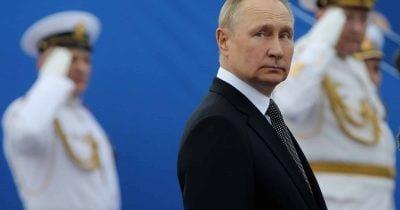
In a surprising move, Russian President Vladimir Putin has emerged on the frontline, donning military attire to declare what he describes as significant progress in the ongoing conflict in Ukraine. This appearance is particularly noteworthy in the context of Russia's ambitions to seize the remaining territories in Donetsk, even as evidence mounts regarding their stalled advances and heavy losses.
Putin's visit underscores a crucial effort to bolster Russian morale amidst setbacks. The timing of his statements appears focused on countering a growing narrative of Ukrainian battlefield successes. By showcasing military presence, he aims to validate his administration's military objectives and shore up domestic support, which has been wavering in light of continual defeats.
Market Reactions and Credibility Concerns
The market's response to Putin's claims reveals a cautious sentiment among participants, who seem to be weighing the credibility of Russia's assertions about territorial gains. Current predictions indicate a mere 21.5% probability of Russia entering the strategically important city of Sloviansk by the end of 2026, pointing to a prevalent skepticism regarding any substantial military breakthroughs.
Monitoring Battlefield Dynamics
For investors and analysts alike, it is critical to monitor developments on the ground that may validate or contradict Putin's assertions. Satellite imagery and real-time reports from the battlefield will play a vital role in assessing the actual territorial control. Additionally, communications from Ukrainian military officials and insights from international observers will provide necessary context to the situation.
Furthermore, changes in diplomatic dialogues or escalated military assistance for Ukraine from NATO could influence market perceptions significantly. Observers must stay vigilant for any shifts in battlefield dynamics that might offer tangible evidence of either side's capabilities and strategies. As seen in the broader context, these developments could resonate beyond the immediate conflict, impacting global market trends, especially if the situation further escalates.