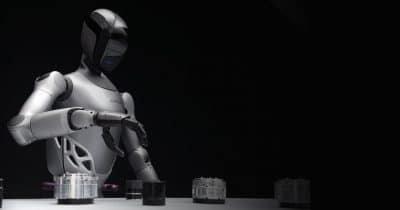
The deployment of humanoid robots in BMW’s Spartanburg, South Carolina facility marks a significant step towards the integration of advanced robotics into automotive manufacturing. The introduction of Figure AI's Figure 03 robots, which succeeded the Figure 02 models after a successful pilot phase, underscores the automaker's commitment to innovation in production processes.
A Leap Forward in Robotic Integration
The pilot project involving Figure 02 units demonstrated the potential of robotic technology by completing over 1,250 operating hours and handling more than 90,000 components. This resulted in the production of 30,000 BMW X3 vehicles, proving that such technology can enhance operational efficiency.
Transitioning from concept to reality, BMW has analyzed insights from the initial deployment to refine capabilities in the Figure 03 units. This rigorous testing process not only illustrates the feasibility of humanoid robots in automaking but also positions BMW as a leader in the adoption of what it describes as “Physical AI” within its iFACTORY strategy.
Implications for the Future of Manufacturing
As the automotive industry faces challenges such as labor shortages and rising production costs, the move towards automated labor solutions seems logical. BMW’s approach, which emphasizes addressing ergonomically strenuous tasks for human workers, could significantly increase productivity and worker safety. The current expansion of humanoid robotics to BMW’s Leipzig facility, utilizing Hexagon Robotics’ AEON platform, suggests that the company is experimenting with different robotic systems across its operational sites.
This strategy not only highlights BMW's focus on innovation but also signals a shift in mainstream manufacturing paradigms, possibly prompting other automotive manufacturers to evaluate their production methodologies. The integration of such technologies could redefine labor roles, necessitating a reevaluation of workforce training and employment structures within the industry.
Conclusion: What’s Next for the Industry?
The successful integration of humanoid robotics in BMW’s manufacturing processes may have far-reaching implications for the automotive industry and beyond. As firms increasingly look towards automation to enhance efficiency and adapt to modern challenges, the potential for humanoid robots to reshape traditional manufacturing landscapes becomes apparent. Investors and market analysts should monitor these developments, as they could signify a larger trend towards robotic integration across various sectors.