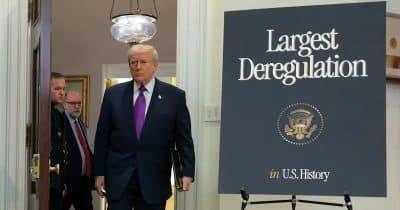
On July 4, 2026, President Donald Trump engaged in a significant diplomatic dialogue with Russian President Vladimir Putin, discussing potential US assistance to facilitate a settlement to the ongoing Ukraine war. This call, lasting 90 minutes, also included conversations with Ukrainian President Volodymyr Zelenskyy, indicating a dual-channel diplomatic strategy right before the NATO summit scheduled for July 7-8 in Turkey.
The involvement of US envoys Steve Witkoff and Jared Kushner in these negotiations underscores the high stakes surrounding these discussions, which also included matters related to Iran. While the geopolitical implications are substantial, the ripple effects on the cryptocurrency market are worthy of closer examination.
Crypto's Role in Wartime Economies
A crucial element to consider is the evolving role of digital assets in wartime economies. Ukraine's appropriation of over $8.3 million in USDT highlights how stablecoins have morphed into essential tools for both financing wartime initiatives and enforcing state control. Conversely, Russia's advancing regulatory measures to legitimize cross-border token transactions are aimed specifically at mitigating the impact of Western sanctions.
Interestingly, despite the gravity of the Trump-Putin call, there was little immediate reaction from the cryptocurrency markets. Bitcoin's price remained stable, as did the values of various stablecoins, suggesting that these events have yet to create an immediate market catalyst.
The Sanctions Landscape and Its Implications
The underlying issue of sanctions looms heavily over the digital asset landscape. Traditional financial systems, especially SWIFT, face difficulties in transacting reliably due to geopolitical tensions, making cryptocurrency an increasingly viable alternative. As a result, stablecoins and tokenized commodities emerge as circumventions of these financial barriers.
Ukraine has notably taken a proactive approach in wartime crypto fundraising, having accepted Bitcoin and Ethereum donations early in the conflict. This strategy has since developed into a sophisticated enforcement mechanism exemplified by the aforementioned seizure of USDT, transforming blockchain forensics into a vital aspect of national security.
Future Catalysts and Market Observations
Looking ahead, the upcoming NATO summit on July 7-8 may serve as the next significant catalyst for both geopolitical and crypto markets. Observers should closely monitor Russia's ongoing efforts to formalize its tokenized transaction systems across borders, as any regulatory changes could have far-reaching effects on how cryptocurrencies are perceived and utilized in times of conflict. The intersection of international diplomacy and crypto regulations may become a defining feature in how digital assets evolve in response to global events.