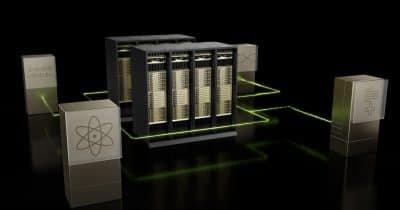
A recent study conducted by Emerald AI in collaboration with Nvidia and Oracle reveals a transformative potential for AI data centers in energy consumption management.
Energy Efficiency During Grid Stress
The findings indicate that AI-driven data centers can reduce their power usage by over 30% during peak grid stress periods without compromising performance. This capability was demonstrated during field trials across two continents, showcasing the viability of using data centers as flexible grid resources.
The first trial occurred at an Oracle Cloud data center in Phoenix, Arizona, where a cluster of 256 Nvidia GPUs achieved a sustained 25% reduction in power consumption during a three-hour test. A follow-up trial in London utilized 96 Nvidia Blackwell Ultra GPUs, achieving over a 30% reduction, peaking at 35%, and responding impressively to grid signals within just 30 seconds.
Dynamic Load Management Innovations
The innovative software responsible for this flexibility, Emerald Conductor, orchestrates workload adjustments autonomously, minimizing the need for human intervention. This represents a significant shift from the traditional view of data centers as fixed energy consumers to viewing them as potential shock absorbers for the grid.
This research ties into the EPRI’s DCFlex initiative, which explores the capacity of data centers to accommodate additional loads on the grid without the necessity for new power plants. According to estimates from Duke University, even modest flexibility from data centers could accommodate around 100 GW of extra load, an impressive potential that could reshape energy resource management.
Potential Market Impact
The implications for utilities and grid operators are profound. By enabling data centers to cut power consumption on command, utilities gain a powerful tool to manage demand peaks. This could reduce the reliance on expensive peaker plants or minimize the risks of brownouts during periods of high demand. Instead of traditional methods, the focus shifts to leveraging data centers as strategic assets.
Furthermore, data center operators stand to gain financially through participation in demand response programs, which incentivize load reductions during stress situations. If these operators can reduce their power consumption by about a third without hindering service quality, they simultaneously create a new revenue stream and alleviate previously viewed costs.
Considerations for Future Scaling
However, the sustainability of these results at scale remains to be seen. While the trials underscore the effectiveness of AI in managing energy usage, the challenge lies in replicating these outcomes across a broader range of data centers and setups. Watchers of the market should keep an eye on developments in this space as the landscape of energy management evolves.