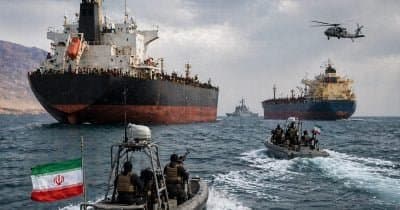
The recent operations by the Iranian Revolutionary Guard Corps (IRGC) to intercept two vessels in the Strait of Hormuz signal a significant escalation in the ongoing conflict involving Iran, the United States, and Israel. This pivotal maritime corridor is crucial for global oil shipments, and Iran's actions highlight its strategic intent to assert control, particularly in the face of U.S. naval blockades.
Since early March, Iran has effectively closed the Strait as part of its broader strategy to counteract perceived threats from the U.S. military presence in the region. The IRGC's operation serves not only as a demonstration of military capability but also as a signal to international markets that Iran is willing to disrupt shipping lanes, which could have far-reaching consequences for global trade.
Market participants are already reacting to these developments. The probability of Iran successfully targeting shipping in the Strait has surged to 60.2% as of July 13, up from a mere 21% just a day earlier. This dramatic shift indicates a growing consensus among investors that further disruptions are likely, which could exacerbate an already volatile situation in regional maritime security.
Potential Economic Implications
The implications of this incident extend beyond immediate military and geopolitical concerns. Disruptions in the Strait of Hormuz could lead to significant fluctuations in oil prices, as this waterway accounts for a substantial portion of the world's oil trade. Investors should closely monitor these developments, as any escalation could trigger a spike in oil prices, reminiscent of past conflicts in the region.
Furthermore, the IRGC's actions may encourage other regional players to reassess their own strategies, potentially leading to a cycle of retaliation and further instability. As markets adjust to these new realities, the potential for increased shipping insurance costs and heightened security measures in the region could emerge.
What to Watch For
As events unfold, it will be essential for observers to keep an eye on any additional maneuvers by the IRGC that could escalate tensions further in the Strait of Hormuz. The likelihood of U.S. or allied responses could also play a critical role in determining the future of maritime security in the area. Moreover, any diplomatic efforts aimed at de-escalating the situation could significantly influence market expectations and help restore normal shipping conditions.
This material is informational and should not be considered financial advice.