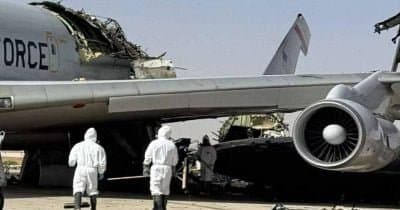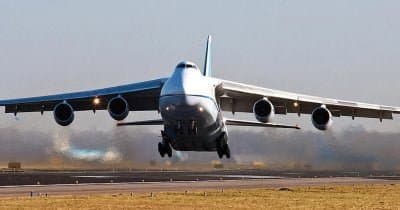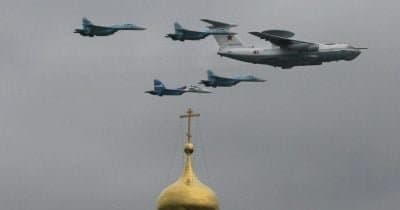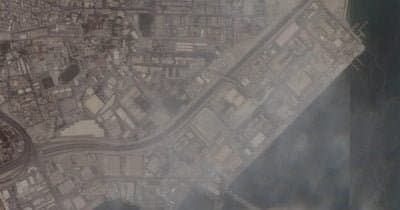
The recent military action claimed by Iran's Islamic Revolutionary Guard Corps (IRGC) highlights a new chapter of hostilities in the Gulf region. The IRGC announced that it successfully targeted a US drone command center at the Sheikh Isa Air Base in Bahrain, marking a significant escalation in the ongoing conflict between Tehran and Washington. This strike is part of what Iran describes as Operation Promise 4, an initiative reportedly aimed at responding to perceived threats from US and Israeli airstrikes following the collapse of a ceasefire agreement.
Context of Rising Hostilities
The current situation is characterized by heightened military tensions in the Middle East, with both sides showing an increased willingness to engage in direct confrontations. Iran's attack underscores a shift from proxy conflicts to more overt military engagements, particularly in response to the US’s intensified military presence in the region. Tehran's assertion that this operation is a “reciprocal operation” against US interests suggests they are willing to escalate their actions should they perceive further threats.
Market Reactions and Future Implications
The immediate market response to the Iran-led strike has been significant, with increased perceptions of risk associated with further military actions. According to recent market data, there is an 83% probability priced in regarding the likelihood of Iran conducting additional military operations against Gulf states. This reflects a growing concern among investors and traders about the potential for a wider conflict, which could disrupt regional stability and oil supply chains.
- The increase in perceived military risk suggests traders may hedge against spikes in oil prices.
- Any further military responses from the US or its allies could exacerbate the situation, leading to potential market volatility.
- Diplomatic efforts, possibly through mediation by regional players like Qatar or Oman, may also play a critical role in de-escalating tensions.
As the situation develops, stakeholders in the markets will need to remain vigilant regarding potential shifts in policy and military strategy. The outcome of this situation could not only redefine US-Iran relations but also influence broader geopolitical dynamics in the Gulf, particularly regarding energy security and trade routes. Investors should watch for announcements from US military officials or diplomatic interventions from other nations that might signal shifts in the ongoing conflict.
This article is for informational purposes only and does not constitute financial advice.