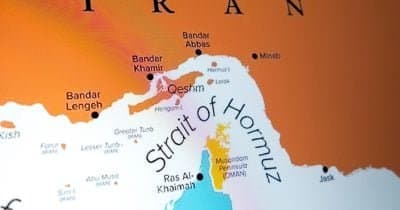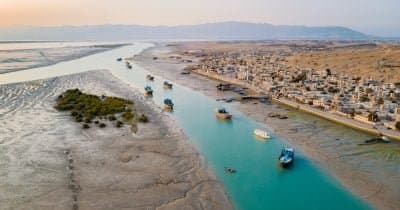
Recent reports of explosions near Qeshm Island, an area of significant military relevance for Iran, underscore the escalating tensions between the United States and Iran. These incidents, as reported by Fars News Agency, reflect a precarious situation that could have far-reaching implications, given the already strained relations in the Strait of Hormuz. The lack of clarity surrounding the cause of these blasts raises concerns about potential further deterioration in diplomatic ties, particularly as military exchanges between the two nations remain a constant threat to peace.
The strategic importance of Qeshm Island cannot be overstated; it has become a focal point amidst accusations of ceasefire violations from both sides. Following the fragile ceasefire announced in April, any military activity in this region is likely to escalate fears regarding Iran's internal stability. Market observers are beginning to speculate on the implications for the Iranian regime, with current pricing indicating a slight increase in the perceived likelihood of regime change, moving from 6% to 7.5% over the past week.
Analysts suggest that the unfolding events around Qeshm Island could signify an increasing risk for the Iranian regime. The potential for IRGC defections or large-scale anti-regime protests could dramatically alter the landscape of power within Iran, while statements of loyalty from the regime or an extension of the ceasefire may provide some level of stabilization.
In light of these developments, it is crucial for investors and geopolitical observers to closely monitor official communications from both Iran and the US. As the situation evolves, the possibility of regime collapse versus the reinforcement of regime loyalty could shift market sentiment significantly.
This material is informational and not financial advice.