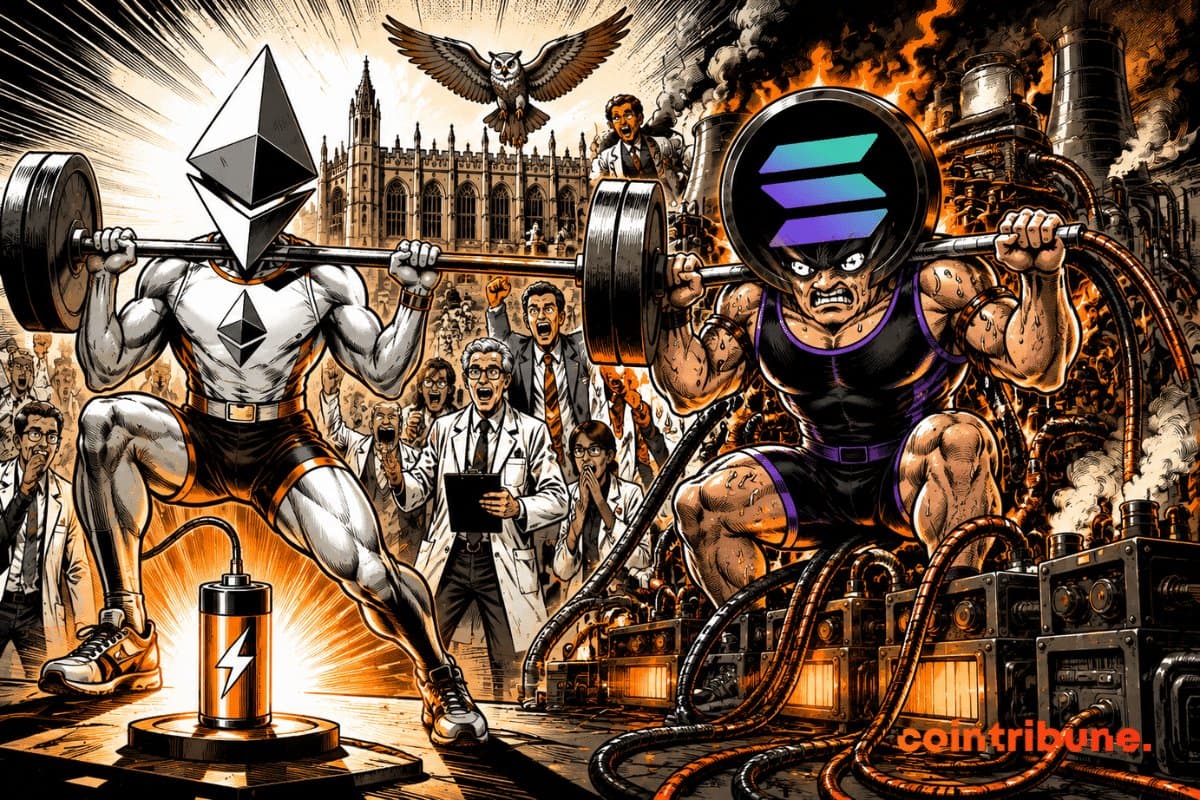
A recent study by the Cambridge Center for Alternative Finance has brought to light significant findings regarding the energy efficiency of popular blockchain networks. Specifically, Ethereum has been shown to exhibit a striking superiority over Solana when it comes to energy intensity in relation to market value. This revelation poses important questions for investors and stakeholders within the crypto ecosystem.
According to the findings, Ethereum consumes approximately 7.87 GWh of electricity annually, which translates to a continuous power demand of only 0.90 megawatts (MW). This is a dramatic decline from its previous consumption levels, which were around 2.4 gigawatts (GW), making Ethereum over 99.9% more energy-efficient post-Merge. In stark contrast, Solana's annual energy consumption is reported at 13.48 GWh, with an intensity that is 8.5 times greater than that of Ethereum.
Understanding the Implications of Energy Consumption
The implications of these findings are multifaceted. For one, they highlight Ethereum's transition to a more sustainable model, a move that stands to enhance its appeal, especially as environmental concerns become increasingly pivotal in investment decision-making. As Ethereum showcases lower energy consumption, it potentially attracts a demographic of environmentally-conscious investors, which could bolster its market cap and overall stability.
In terms of node distribution, the study indicates that of the 8,522 identifiable full nodes within the Ethereum network, 36% operate from residential connections while the remaining 64% function within cloud or enterprise infrastructures. The concentration of these nodes primarily in the United States, Germany, Finland, and France can also affect perceptions of Ethereum's robustness and reliability as a blockchain platform.
Market Valuation Meets Energy Efficiency
When energy consumption is adjusted relative to market value, Ethereum's efficiency becomes even more pronounced. This is a critical point for investors. In an ecosystem where energy efficiency can dictate regulatory approval and public perception, Ethereum’s proactive measures, such as the Merge, position it favorably against competitors like Solana.
Furthermore, if Ethereum continues to lead in energy efficiency, it may set new standards across the blockchain industry, potentially influencing future developments within other networks. With the growing emphasis on sustainability, Ethereum's performance may not only impact its own market trajectory but could also catalyze changes in how other projects approach their environmental strategies.
This material is informational and should not be considered financial advice.