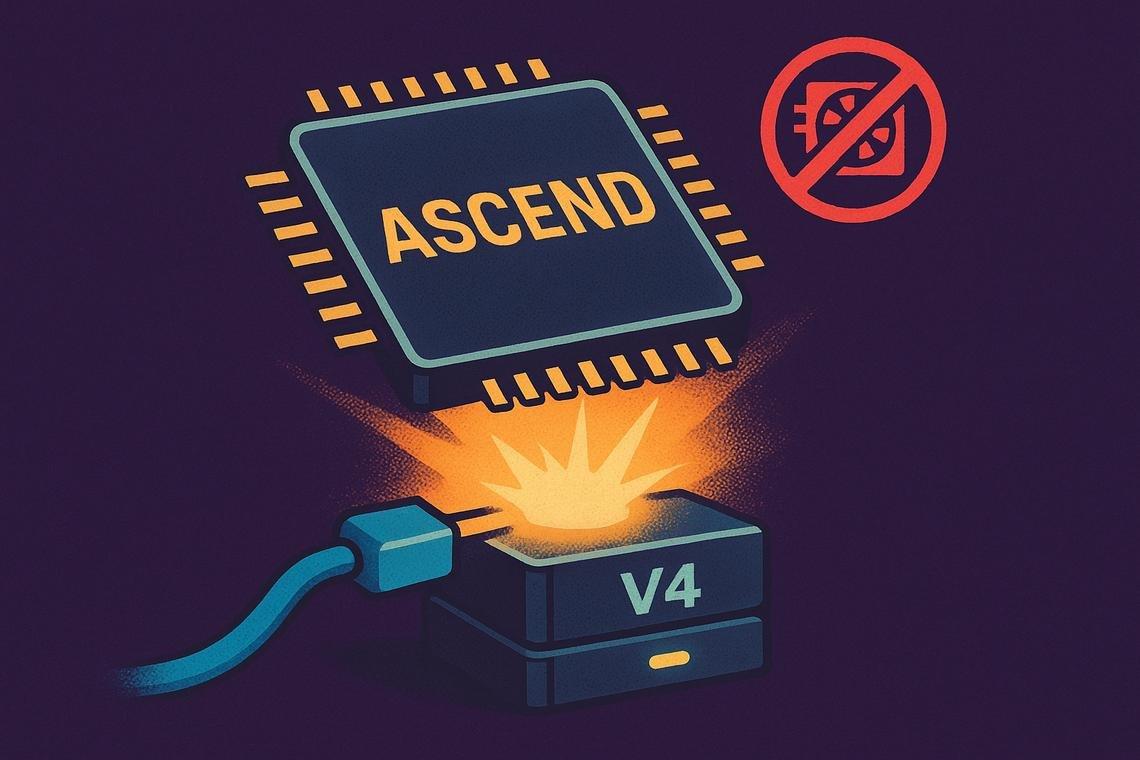
The Chinese AI landscape is undergoing a significant transformation as DeepSeek, a notable startup, embarks on an aggressive hiring campaign to bolster its workforce and optimize its technology for domestic chip usage. This move indicates a robust pivot in response to international pressures, primarily from the United States.
Why This Development Matters
DeepSeek's strategy is emblematic of China's broader ambition to achieve self-sufficiency in AI technology. The company's decision to focus on domestic hardware, particularly Huawei's Ascend chips, signifies a departure from reliance on foreign technology, such as Nvidia's GPUs, which have been increasingly restricted by U.S. export laws. By shifting to domestic solutions, DeepSeek not only enhances its operational capabilities but also aligns with national policies aimed at reducing dependence on foreign tech.
- DeepSeek’s valuation has surged past $50B.
- The company has raised over $7.4B in funding.
- Plans are in place to potentially double its workforce by adding numerous engineering and technical roles.
DeepSeek's advancements in AI have previously positioned it as a leader, known for optimizing performance with limited computational resources through innovative techniques such as Mixture-of-Experts. This capability has been crucial in adapting its models to work effectively with restricted hardware.
Implications for the AI and Crypto Markets
While DeepSeek itself does not possess a crypto token, the ramifications of its developments could ripple across the broader tech landscape. The company’s rapid growth and focus on domestic hardware illustrate a pivotal moment in the tech industry, raising questions about how similar companies and sectors may respond to changing regulatory environments. The existence of a memecoin named DeepSeek AI trading independently emphasizes the disconnect between the startup's real operations and speculative trading phenomena.
Looking Ahead: What to Watch
As DeepSeek continues on this hiring spree, observers should pay attention to how its model optimizations perform on domestic chips, which could signal a shift in production capabilities in China's AI sector. Additionally, the evolving U.S.-China tech tensions and any future export restrictions could further motivate similar firms to adapt. Monitoring these developments will be critical for investors interested in the AI space and its intersection with the crypto market.
This material is for informational purposes only and is not financial advice.