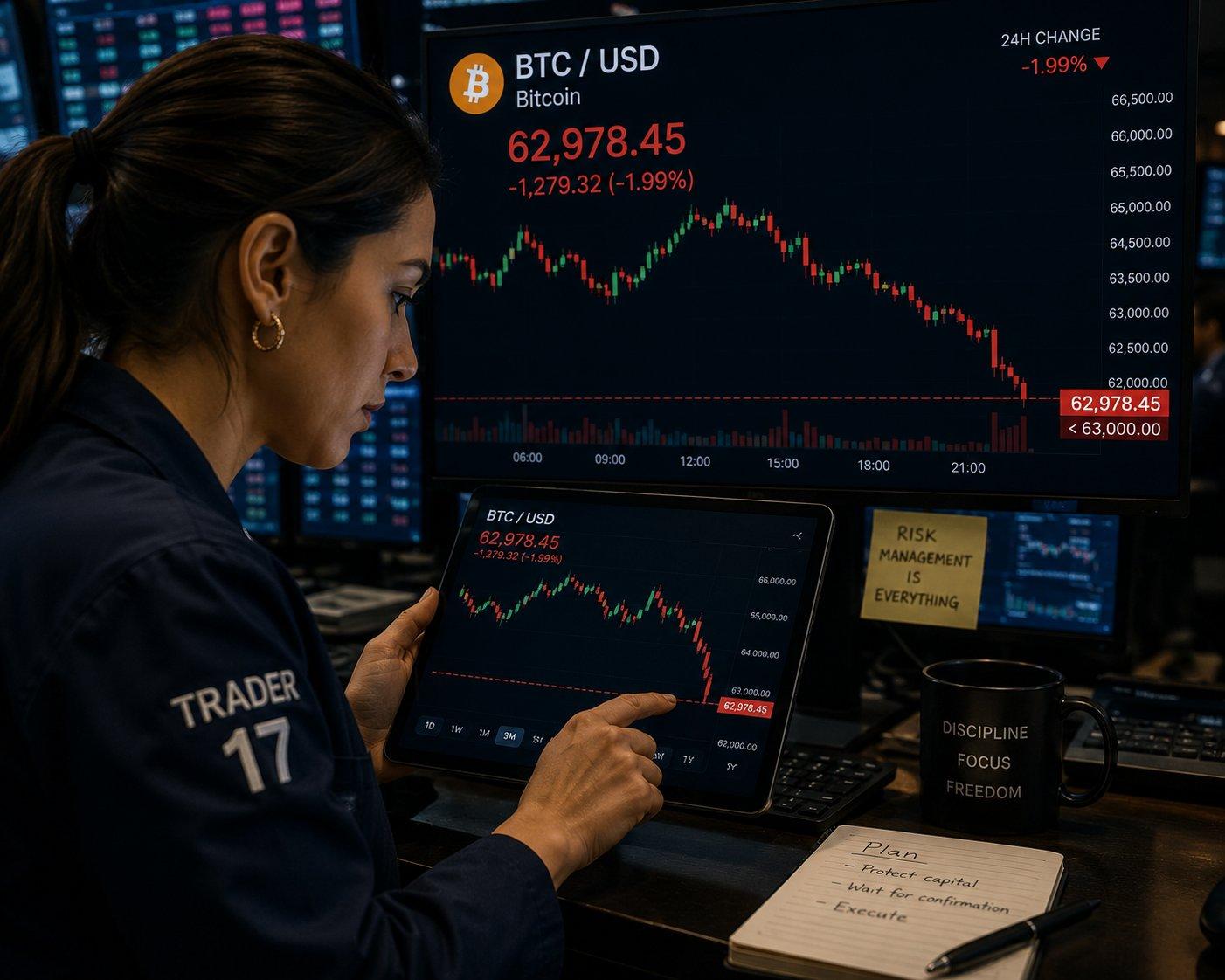
The ongoing fluctuations in Bitcoin's price present both challenges and opportunities for investors. After starting July with modest gains, Bitcoin (BTC) has faced the pressure of market instability, hovering around $63,190. Despite signs of an improving market, analysts are signaling that caution is warranted as potential downward movements loom.
Understanding the Market Dynamics
Why is this development crucial for market participants? The current environment reveals several important factors affecting Bitcoin’s price stability:
- Bitcoin dropped below $64,000 amidst consistent volatility.
- Historically, July has been a bullish month for Bitcoin, averaging a 7.5% gain.
- Glassnode reports an easing in spot selling pressure, which can stabilize the market.
In several weeks leading up to this point, Bitcoin's resilience has been tested by decreasing implied volatility in the derivatives market. Analysts at QCP have pointed out that the favorable positioning of derivatives traders reflects a cautious optimism, while ongoing demand for put options at $58,000 signifies lingering apprehension about further declines. This juxtaposition of sentiment illustrates a market grappling with uncertainty, necessitating vigilant observations from investors.
Price Predictions and Market Sentiment
The current technical indicators suggest a precarious balance; Bitcoin's 4-hour chart reveals potential consolidation. With an RSI of 55 indicating neither buyers nor sellers dominate, traders face a critical moment. Should bearish conditions re-emerge, Bitcoin could retrace towards the $61,365 level. Conversely, a bullish breakout past the $64,000 mark may give rise to a retest of June's high of $67,129, potentially setting a new bullish trend.
What Lies Ahead for Investors
As we dive deeper into July, Bitcoin's performance will likely be influenced by the broader market trends and upcoming economic data releases, such as labor reports. Investors must remain alert to sudden shifts in market sentiment, especially given the historical patterns that shape seasonal dynamics around this time of year.
This material is for informational purposes only and is not financial advice.