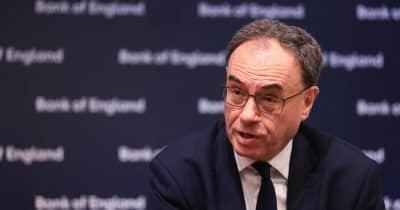
In a recent address to G20 leaders, Andrew Bailey, the Governor of the Bank of England and Chair of the Financial Stability Board, sounded the alarm on multiple interconnected financial vulnerabilities that may converge to create a perfect storm for global markets. His remarks, delivered on April 13, highlight several critical risk factors ranging from stretched asset valuations to liquidity mismatches that could threaten financial stability around the world.
Why This Alert Matters Now
The warning comes at a time of heightened geopolitical tension, particularly in the Middle East. Bailey stressed that while initial market reactions have absorbed some volatility, it is crucial for stakeholders to remain vigilant. Notably, he emphasized:
- Stretched asset valuations, especially in technology sectors such as AI.
- Concentration of leverage among nonbank financial institutions like hedge funds and private credit firms.
- Liquidity mismatches where assets are difficult to sell quickly against short-term obligations.
These factors pose significant risks for the stability of various financial markets, including government bonds, private credit, and derivatives markets. Bailey’s dual role as the Chair of the FSB allows him to connect the dots more clearly across borders, highlighting risks that single national regulators may overlook.
The Implications for Investors and the Crypto Market
An interesting aspect of Bailey’s warning is the notable absence of any specific reference to cryptocurrencies or digital assets. This raises questions about whether traditional financial vulnerabilities could spill over into the crypto space, particularly given the historical context. During the COVID-19 market crash, for example, Bitcoin saw a massive sell-off, dropping nearly 50% in a single day as investors fled to cash across all asset classes.
Bailey specifically highlighted leveraged positions in government bond markets, mentioning the basis trade, a strategy that has previously teetered on the edge of collapse. This particular strategy, where hedge funds use high leverage to take advantage of small price discrepancies, should be closely monitored as it has the potential to trigger broader market turmoil.
What Lies Ahead
As we navigate through these uncertainties, investors and market participants should keep a close eye on upcoming developments, particularly in the areas of regulatory responses and market dynamics. The interconnectedness of traditional financial systems and the growing prominence of digital assets means that any shock could have far-reaching implications. It remains to be seen how regulators will adapt to these emerging risks and whether coordinated efforts can effectively mitigate systemic threats.
This material is for informational purposes only and does not constitute financial advice.