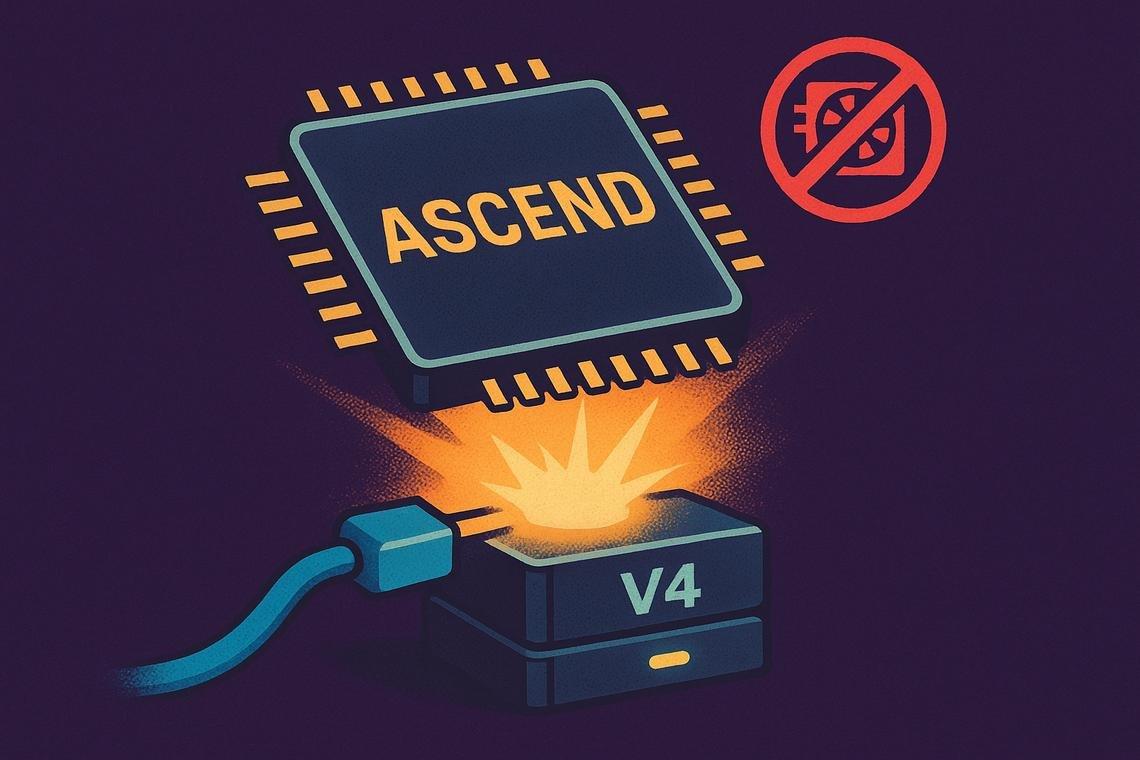
The recent pivot of DeepSeek AI towards Huawei’s Ascend chips marks a critical juncture in both AI development and geopolitics. The Chinese startup, already valued at over $50 billion, is significantly reshaping the AI narrative by optimizing its V4 model specifically for Huawei's domestic architecture. This transition is not merely about changing hardware; it reflects a broader trend of independence from U.S. technology and highlights China's commitment to nurturing its own AI infrastructure.
Understanding the Impact of DeepSeek's Shift
DeepSeek's decision to build its AI capabilities around Huawei technologies encapsulates the adaptive strategies that Chinese tech firms are employing in response to tightening U.S. export controls. These controls have prompted a significant rethinking of how Chinese AI labs can ensure their operational continuity without relying on foreign hardware.
- DeepSeek raised over $7.4 billion in funding.
- The company is projected to double its workforce in response to growing demand.
- As of June, 27 technical roles were being filled by the company.
- The V4 model was specifically released on April 24, demonstrating a commitment to Huawei technology.
This pivot reinforces the narrative that China is making substantial investments to strengthen its domestic semiconductor capabilities. By validating Huawei's chip architecture, DeepSeek contributes not only to its own operational needs but also to a wider Chinese strategy that seeks to establish self-reliance in advanced technologies.
Broader Context of U.S.-China Tech Relations
The broader implications of DeepSeek’s move cannot be overstated, particularly in light of how U.S. sanctions are reshaping the competitive landscape for AI development. As firms in the U.S. and other countries find themselves restricted from engaging with Chinese tech, Chinese firms are harnessing this pressure as a unique opportunity to innovate and solidify their own competitive edge. DeepSeek's innovative Mixture-of-Experts technique, which optimizes compute requirements, offers a tangible example of how necessity drives innovation, positioning the company as a resilient player in an increasingly competitive market.
Future Observations and Potential Developments
Looking ahead, observers should monitor how quickly DeepSeek can scale its operations and whether other AI firms within China follow suit. The implications extend beyond just hardware choice; they touch on national policies, supply chains, and the international tech rivalry between the U.S. and China. Future developments in export regulations and domestic tech initiatives could further influence the trajectory of AI innovation in China.
This article is for informational purposes only and should not be considered financial advice.