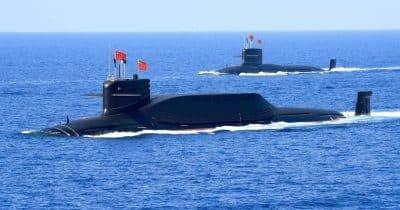
The recent launch of a submarine-launched ballistic missile by China into the Pacific Ocean on July 6 is more than just a military exercise; it signals an escalating assertiveness in Beijing's nuclear capabilities. This marks the first publicly acknowledged test of this kind since 2024, specifically utilizing the JL-3 missile from a Type 094 Jin-class nuclear submarine.
The significance of this missile is underscored by its potential range, which enables it to strike targets in the continental United States from relatively shallow waters near China. This represents a tactical shift from its predecessor, the JL-2, which required submarines to operate much farther from the Chinese coast.
Understanding the Implications of China’s Military Capabilities
The implications of this missile test extend far beyond mere technical capabilities; it illustrates a strategic maneuver by China to assert its presence in a region characterized by increasing geopolitical tension. Major Pacific nations, including Australia, New Zealand, the United States, Japan, and Taiwan, have expressed serious concerns about the test, focusing on issues of regional stability and the potential for escalating military assertiveness.
- The missile test took place at 12:01 p.m. Beijing time.
- China's JL-3 can hit targets across the continental U.S. from closer zones.
- Concerns from multiple countries highlight a collective anxiety regarding military escalation in the Pacific.
This event is set against a backdrop of shifting defense partnerships in the South Pacific, exemplified by new agreements between nations like Australia and Fiji. As defense strategies evolve to address these challenges, the landscape of security alliances is also changing.
Market Responses and Future Outlook
Intriguingly, despite the heightened tensions surrounding this missile test, the reaction in the crypto markets was surprisingly subdued. There was no significant panic selling or alterations in liquidity; Bitcoin and the wider digital asset market appeared to absorb the news with relative calm.
This lack of reaction may speak to a growing desensitization to geopolitical provocations within crypto investors, or perhaps an expectation that the military posturing will not have immediate ramifications for asset prices. Nevertheless, China's assertiveness could eventually impact U.S. domestic policies potentially influencing discussions on technology export controls, financial decoupling, and stablecoin regulations.
What’s Next for Global Markets and Investors?
Looking ahead, the primary focus will be on how geopolitical tensions evolve and whether further military actions from China will prompt a change in the market dynamics. Investors should remain vigilant, as such military developments can inadvertently lead to shifts in regulatory frameworks and asset valuations, especially in an interconnected global economy.
This material is for informational purposes only and should not be considered financial advice.