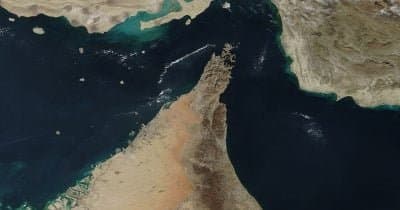
The recent 7% reduction in oil exports by the Caspian Pipeline Consortium (CPC) has drawn attention to the precarious dynamics of the global oil market. This decline, which brought total exports down to 6.442 million metric tons in June 2026, is primarily linked to maintenance issues at Kazakhstan’s Kashagan oil field. However, this supply contraction is occurring amidst escalating tensions in the Strait of Hormuz, a critical artery for global oil transport. Such a confluence of factors is poised to have significant implications for West Texas Intermediate (WTI) crude oil prices.
Geopolitical Tensions and Market Reaction
The geopolitical landscape surrounding the Strait of Hormuz has intensified with Iran’s Revolutionary Guards issuing warnings against U.S. involvement, which they perceive as a direct threat to energy security. This backdrop of uncertainty raises the stakes for oil markets, particularly given the historical precedence of price spikes following disruptions in this key shipping lane. As traders and investors react to these developments, there is a noticeable shift in market sentiment, leading to predictions of rising WTI prices due to tightening supply.
Future Considerations for Oil Prices
Market participants are now closely monitoring a variety of factors that could influence oil pricing in the near future. Any changes in U.S.-Iran relations, particularly those that impact activities in the Strait of Hormuz, are critical. Furthermore, announcements from OPEC+ regarding production adjustments will be highly scrutinized, as these could either mitigate or exacerbate supply constraints. The outcome of maintenance activities at the Kashagan oil field will also play a crucial role in shaping the export landscape moving forward. In essence, the current scenario underscores the interconnectedness of geopolitical events and oil supply dynamics, which will likely dictate market movements in the coming months.
This article is for informational purposes only and should not be considered financial advice.